Metal and its sub-genres are known to be overflowing with bands, and sometimes it can be a pain to separate the wheat from the chaff. That’s why the lovely peeps at The Metal Observer have taken it upon themselves to guide you through these vast mazes of riffs, hooks, and solos. The task was given as such; “tell us some of your favorite albums within sub-genre X, meaning timeless classics or newly uncovered gems”. We began this series with the slow and heavy, touching upon the highs and lows of doom metal, descended to the depths of black metal, before moshing through the pit of thrash and frolicking in the grove of folk metal.
This is the fifth entry of this series, and now we bludgeon our way into the murky slaughterhouse that is death metal. From melodic Gothenburg epics to brutal assaults, there should be something for everybody here. Are we stretching the death metal label too far by including Wintersun? Did we fuck up the choice of Death-albums? Perhaps you agree with our choices? Let us know in the comments below!
1) Morbid Angel – Altars of Madness (1989)
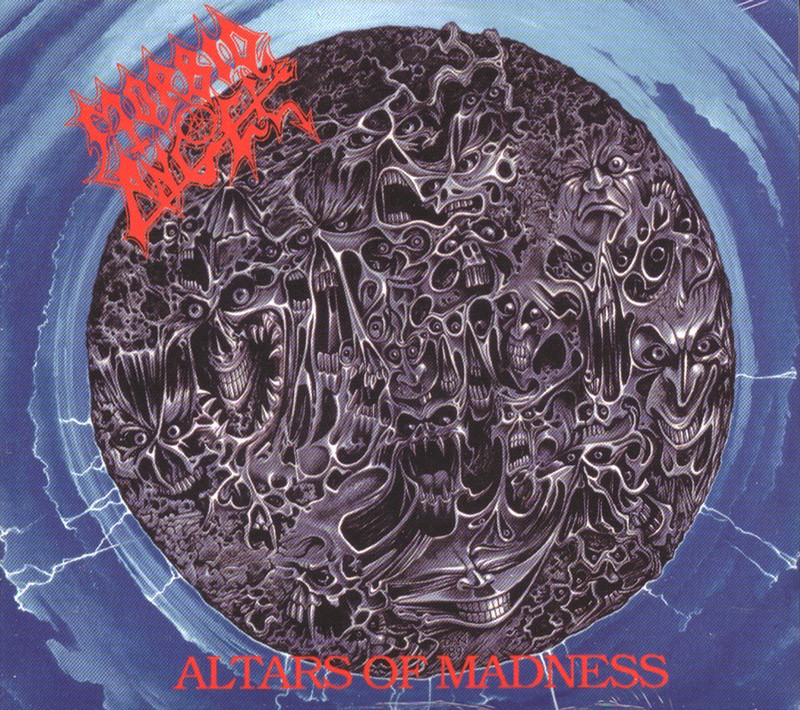
One glimpse at the Dan Seagrave cover art and you just know you’re in trouble. Hailing from the decidedly non-deadly death metal capital of the USA, Tampa, Florida’s Morbid Angel sent earthquakes streaking across the globe with the release of their stunning debut album, Altars of Madness. With a raw and savage production, the record jumpstarted the death metal war-machine with its technical precision and pummeling unorthodoxy, elements that went on to influence an untold number of players who were sick and tired of playing the same thrashy riffs.
– Evan Mugford
2) Possessed – Seven Churches (1985)
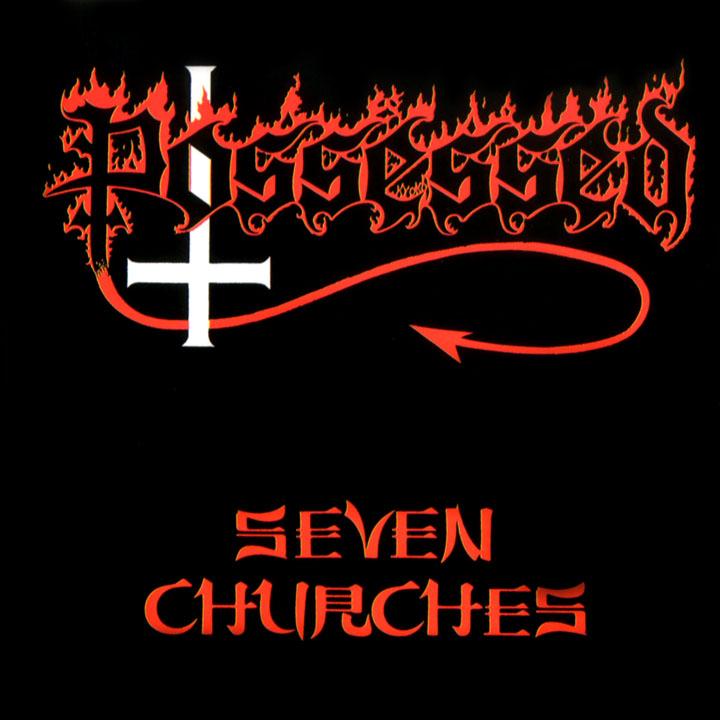
Its cult status as the first death metal release may be contested but regardless of one’s stance on the issue, none can deny the key role Possessed had in shaping extreme metal to come. While at its core much of it reaches into the unholy marriage of savage hardcore and caveman metal, Possessed took this idea a step further than the majority of their competition. Blunt-ended discordant rhythms race along machine-pounding percussion with raw chromaticism giving way for incursions of frantic, flailing melodies, all while the open-throated howl of Jeff Bercerra was practically unrivalled for its time. All of these ideas have long since been integrated into the compositional heart of numerous bands that came in its wake but it remains a vital document in understanding the genetic code of extreme metal.
– Julian Chan
3) Entombed – Left Hand Path (1990)
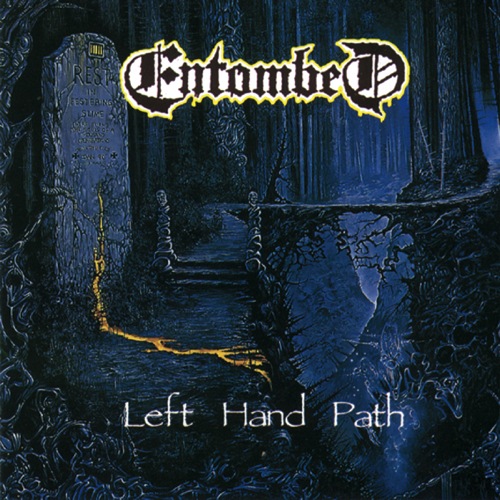
As influential as today as they were in the early nineties, Sweden’s Entombed erupted onto a nascent Scandinavian death metal scene in 1990 with Left Hand Path, a tour-de-force of aggressive d-beat thundering bent around the broken limbs of a morbid horror backdrop. Ascended from the ruins of Nihilist, this quartet twisted their own sound to life by bridging the early grind assault of Repulsion and Discharge with the groove-heavy brutality found across the Atlantic. Bringing it all to the forefront is the record’s buzz-saw guitar tone, care of the now legendary Sunlight Studios, that gave each and every track the heavier-than-hell vibe that’s managed to dominate the last 25 years. A classic album in every sense, the flagship of the Swedish death metal movement.
– Evan Mugford
4) Incantation – Onward to Golgotha (1992)
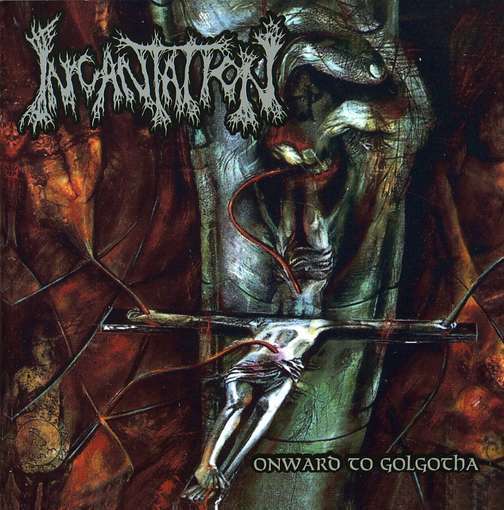
While well received in its initial year of release, the raw influence of one of New York’s big three “-ion” bands did not become felt until recent years. Combining the primordial streams of the recently solidified death metal genre with black metal’s distant malevolence, the downstroke crush of doom, and the frenetic nature of grind into a chaotic yet structurally complex package, Incantation were conceptually very progressive for their time. Far from the atavistic backwardism worshippers and critics paint it with, “Onward to Golgotha” created an ambitious style that capitalized on the raw potential of tremolo technique in one of its most minimalist forms, emphasizing immense and dramatic changes in tempo and riff shapes for thundering contrasts and a sense of terrifying power gradually converging onto a single focused theme.
– Julian Chan
5) Death – Symbolic (1995)
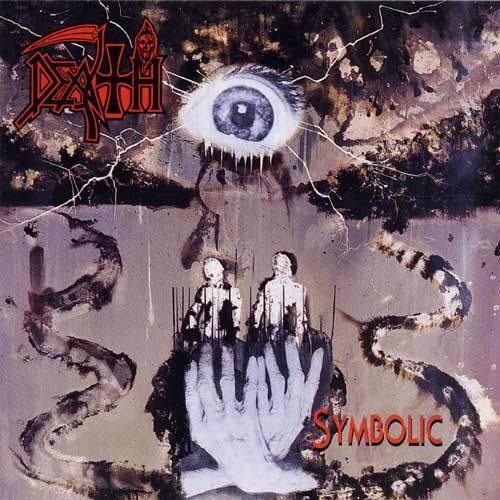
Perhaps the most accessible of Death’s increasingly technical 90s output, Symbolic strikes a fine balance between the intricacy of Individual Thought Patterns and the somewhat more spiritually themed The Sound of Perseverance. Having long since evolved beyond the crude extremity of their early works, Death circa 1995 was all about establishing a harmony between melody (“Crystal Mountain”), intensity (“Misanthrope”) and emotive explorations of the meaning of life and, well, death (the title track, “Perennial Quest”). A masterful slice of death metal with heart, Symbolic is an enduring testament to the late Chuck Schuldiner’s genius.
– Neil Pretorius
6) Demilich – Nespithe (1993)
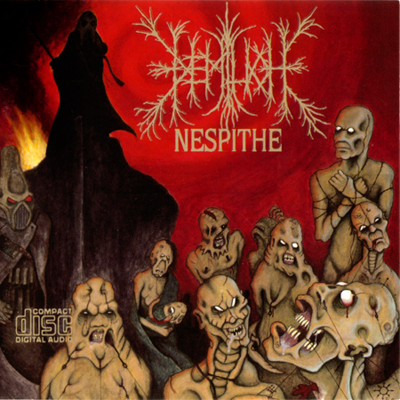
I’m pretty sure that if David Lynch, Timothy Leary and Charles Manson had a death metal band it would’ve sounded like Demilich’s paradigm shattering Nespithe. Trying to listen to or understand this album is an exercise in futility. Rather, Nespithe is a place you go to – a place where ‘form’ is just a four letter word and creatures worthy of Lovecraft roam the firmament. Long the bane of chiropractors and psychiatrists alike, Nespithe is death metal born of a very dark place that fucks with body and mind.
– Neil Pretorius
7) At The Gates – Slaughter of the Soul (1995)
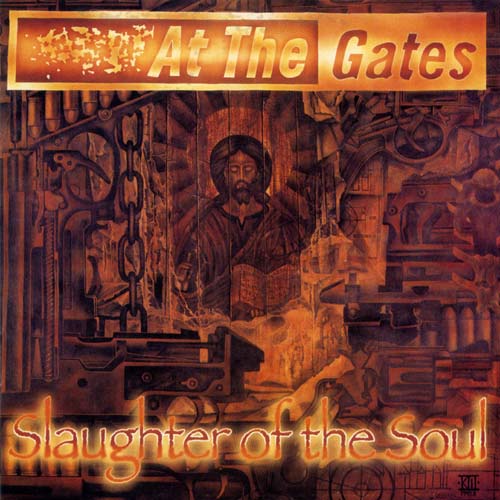
One of the three members of the Gothenburg troika of melodic death metal, At the Gates were lynchpins in the creation of the so called Gothenburg sound, with highly melodic guitars, heavy riffing, often high tempos and death metal vocals, with “Blinded By Fear” being one of the iconic examples of melodic death metal. Straightforward and to the point, Slaughter of the Soul helped set the blueprint of melodic death metal and in the end up to a point even metalcore, a revolutionary album.
– Alex Melzer
8) Carcass – Necroticism: Descanting the Insalubrious (1991)
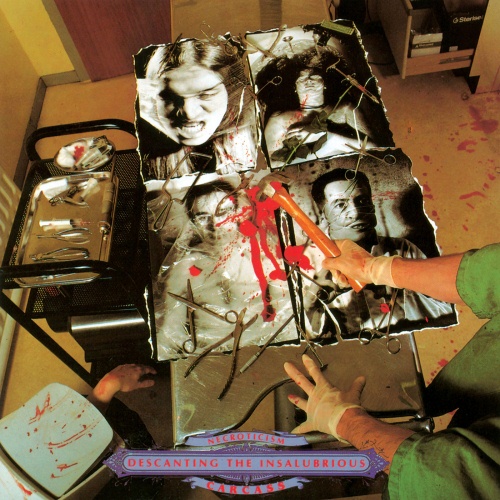
Few bands have had as much impact on extreme metal as Carcass. The band’s early work was instrumental in founding goregrind, while later releases did much the same for melodic death metal. But smack dab in the middle of their discography is perhaps their best album, the transitional Necrotism: Descanting the Insalubrious. It’s more melodic than the band’s prior work but it’s also far more ambitious, featuring what are Carcass’s most intricate arrangements. At the time of its release, Walker and Steer preferred that this album be called progressive and it’s not hard to see why with some of the time changes. With extremely catchy riffs, Ken Owen’s excellent drumming, and those instantly recognizable vocals, Necrotism is a blast from start to finish and is not only a highlight of a legendary band’s storied career, but a classic of death metal itself.
– Nathan Hare
9) Suffocation – Effigy of the Forgotten (1991)
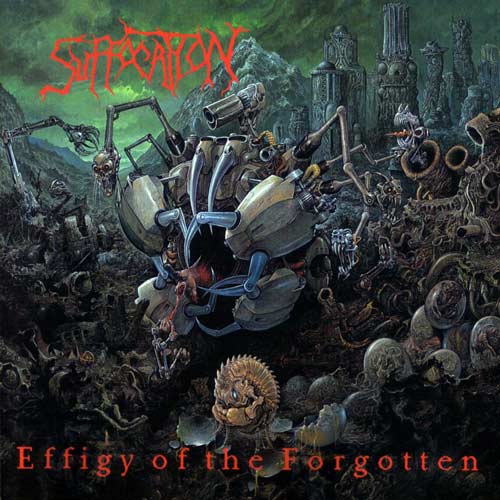
Even with the release of other influential death metal albums like Human, Mindloss, Descanting the Insalubrious, Like an Ever Flowing Stream, Where No Life Dwells, and Dreaming with the Dead, perhaps no other record in 1991 left as bloody and as savage an imprint as Suffocation’s Effigy of the Forgotten. The Long Island quintet burst onto the scene with an album fraught with technical barbarity and seething with New Yorker defiance and ingenuity. Headed with the brutish calls of Frank Mullen, Effigy of the Forgotten, to this day, reminds musicians the world over that limits are meant to be exceeded.
– Evan Mugford
10) Death – Scream Bloody Gore (1987)
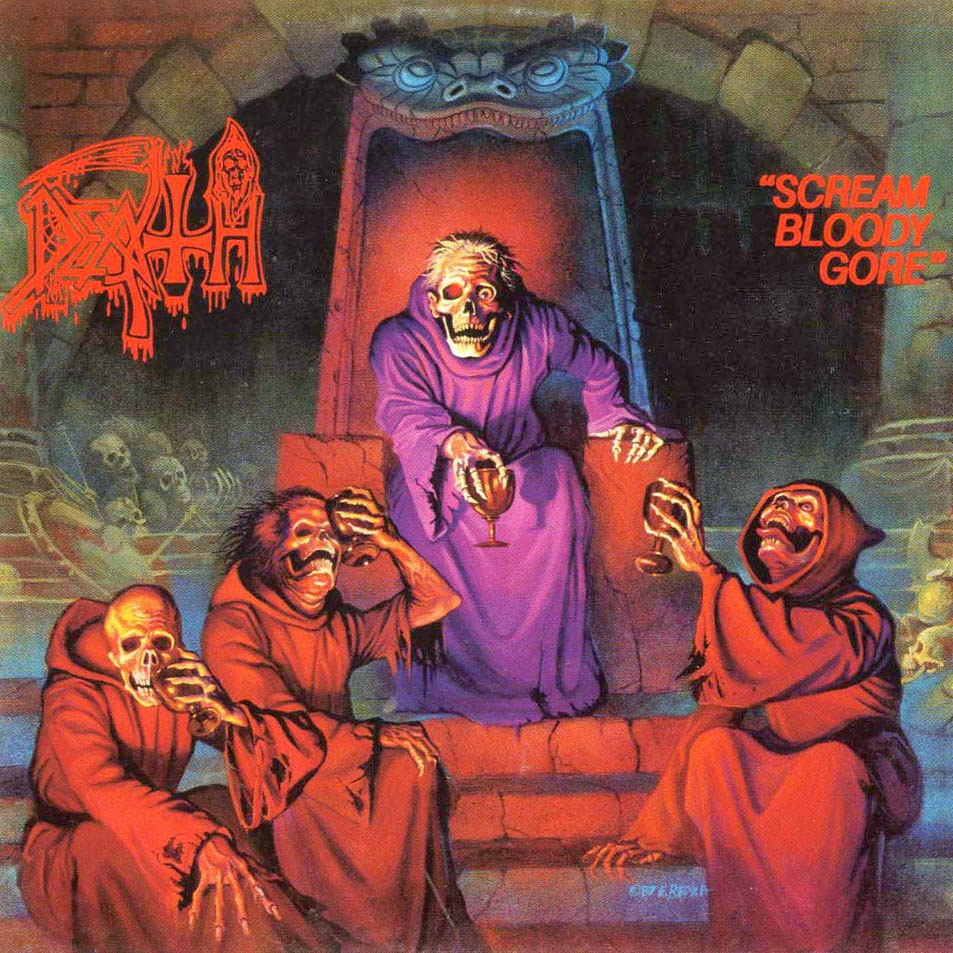
Depending on how you choose to define the term, Scream Bloody Gore may be the world’s first death metal album. Chuck Schuldiner performed everything on this album except drums, which were provided by Autopsy’s Chris Reifert. Scream Bloody Gore laid down many death metal conventions: the raw, puking vocals, the gore-drenched lyrics (often influenced by horror films), and evil atmosphere. It’s obviously indebted to thrash instrumentally, but with a sense of extreme malevolence that few thrash bands could match. The result is a crude but immensely enjoyable album that’s been imitated ever since. Schuldiner obviously pursued more technical, progressive routes on subsequent albums, but Scream Bloody Gore remains a classic of the genre, particularly for old school fans.
– Nathan Hare
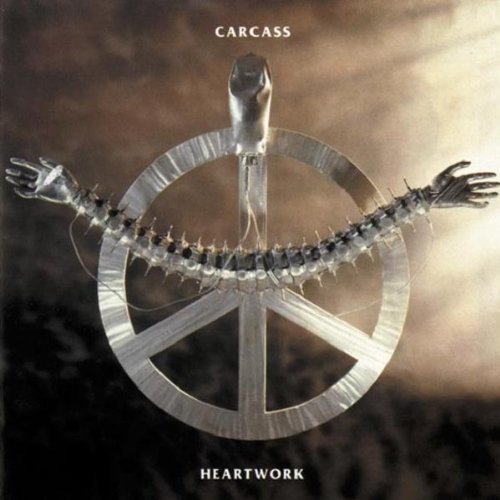
11) Carcass – Heartwork (1993)
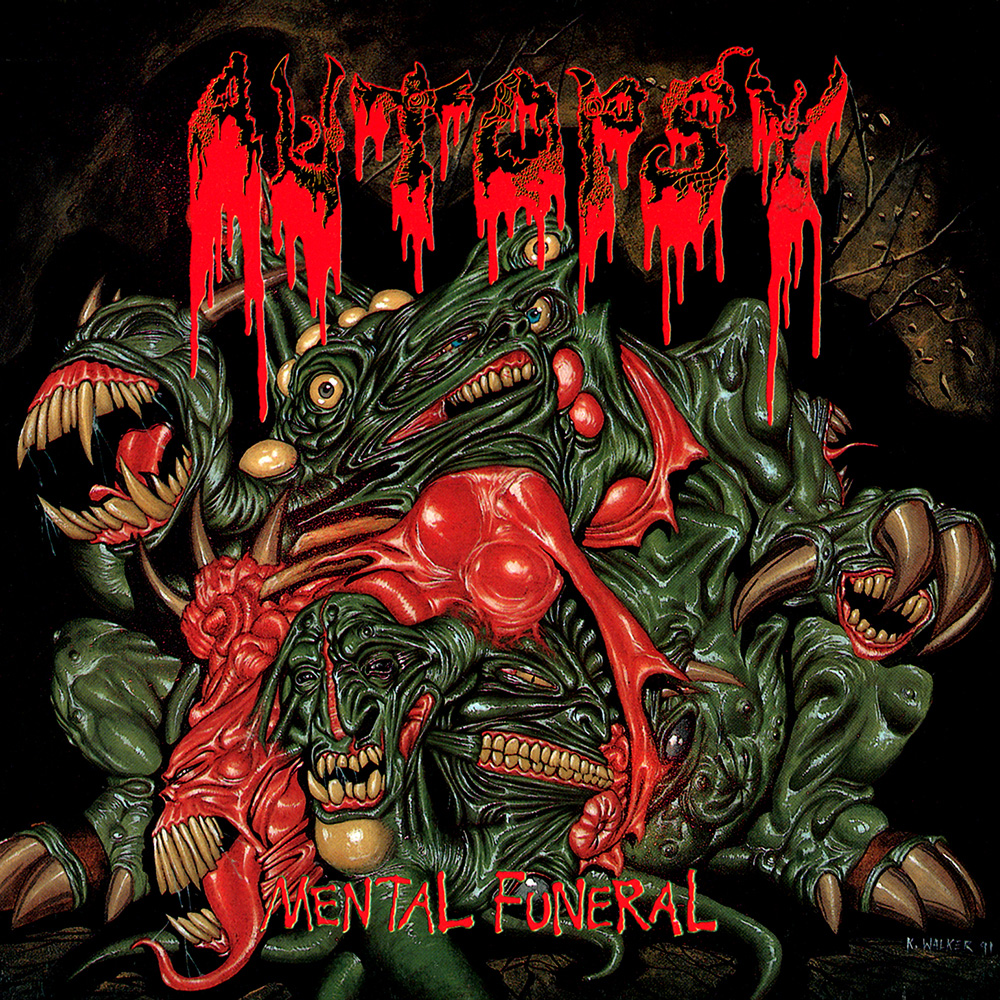
12) Autopsy – Mental Funeral (1991)
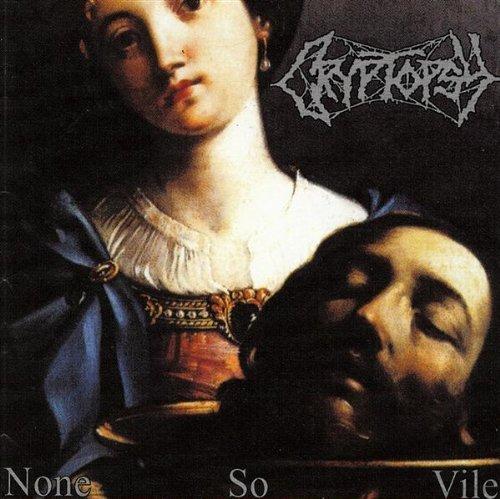
13) Cryptopsy – None So Vile (1996)
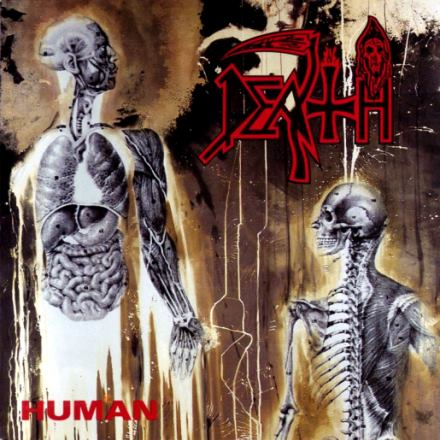
14) Death – Human (1991)
15) Dismember – Like an Everflowing Stream (1991)
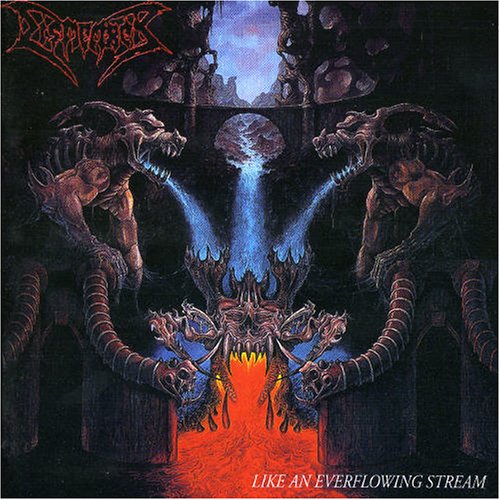
16) Bolt Thrower – Realm of Chaos (Slaves to Darkness) (1989)
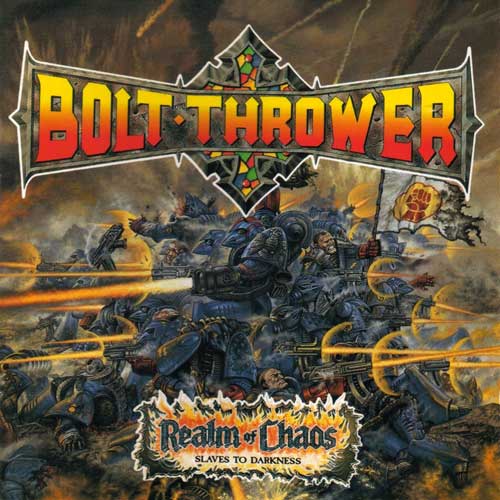
17) In Flames – The Jester Race (1996)
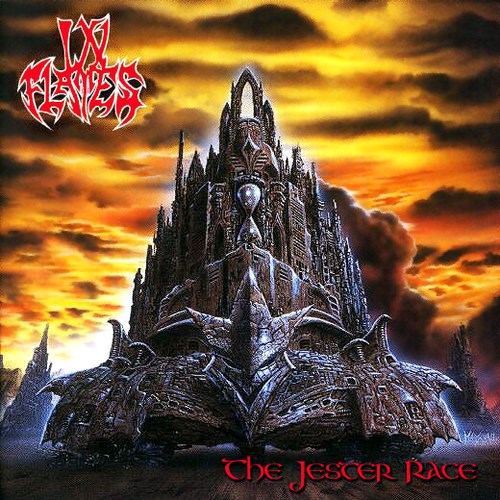
18) Grave – Into the Grave (1991)
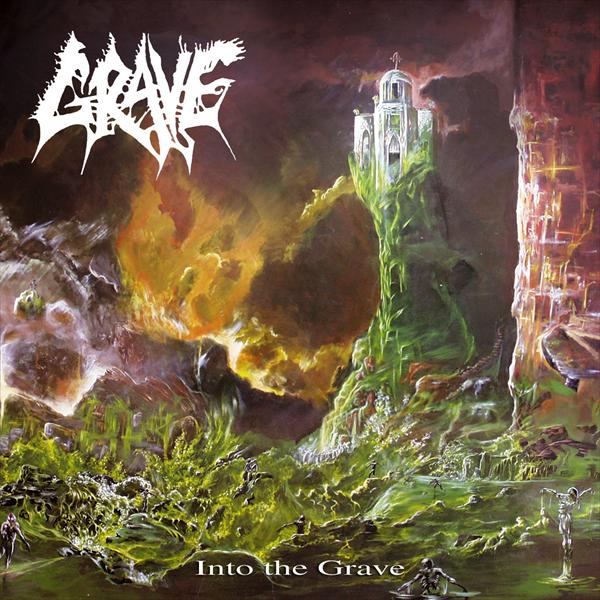
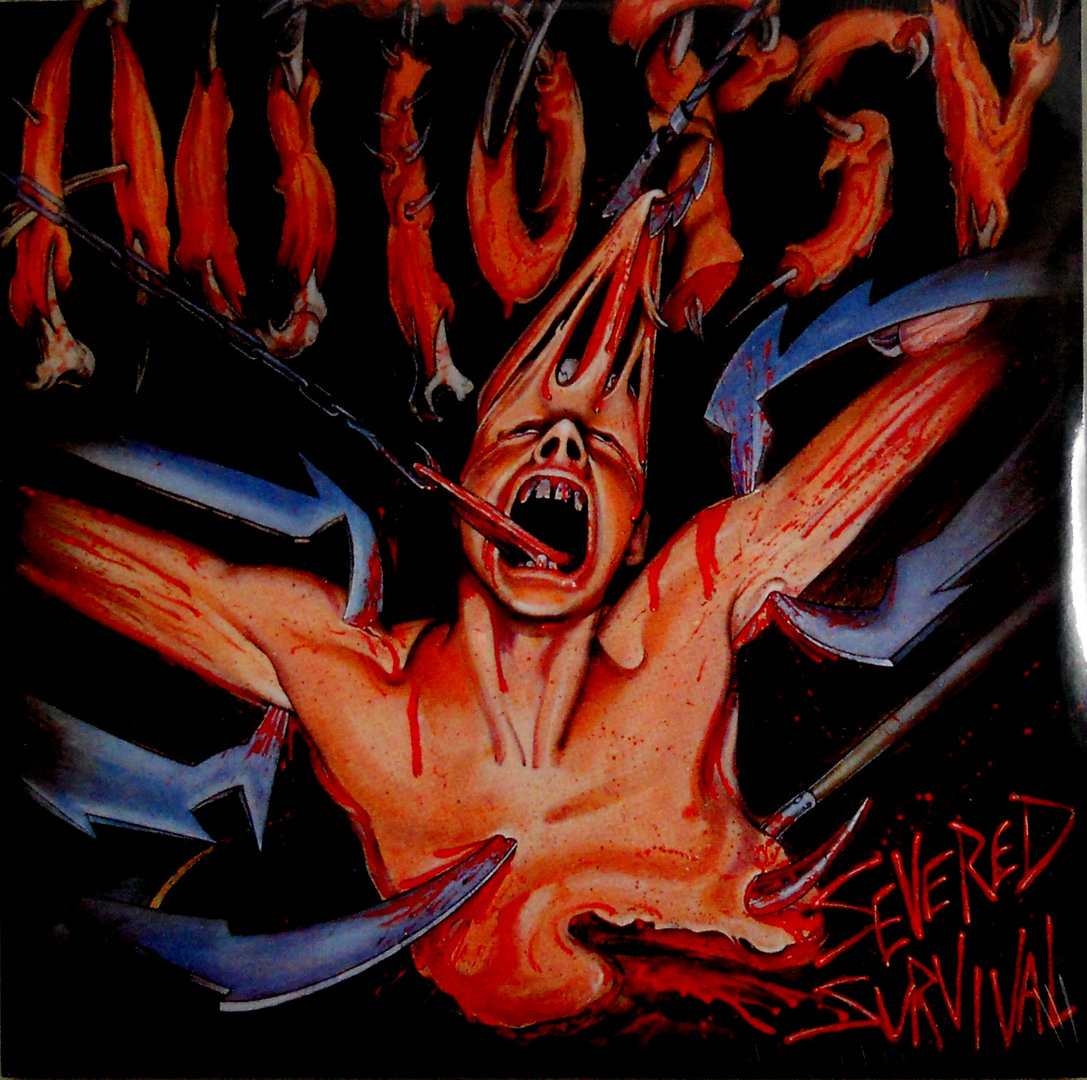
19) Autopsy – Severed Survival (1989)
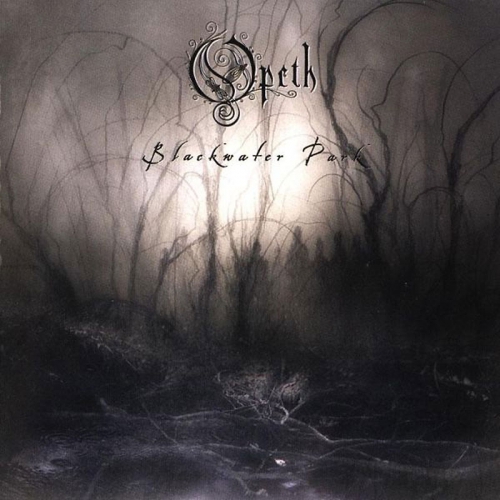
20) Opeth – Blackwater Park (2001)
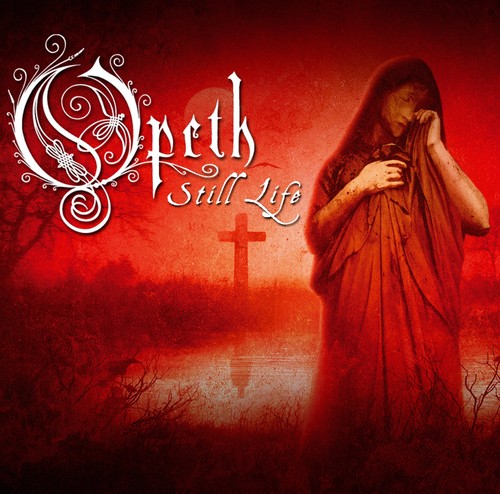
21) Opeth – Still Life (1999)
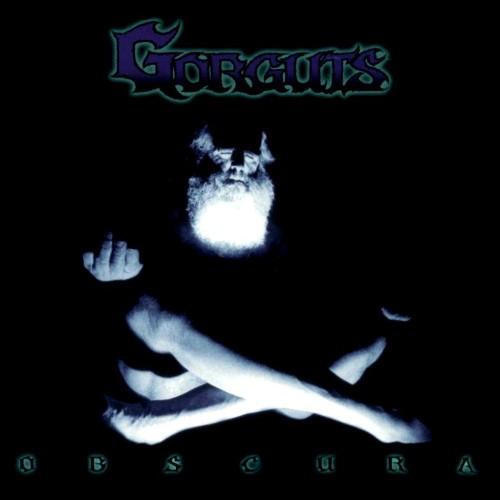
22) Gorguts – Obscura (1998)
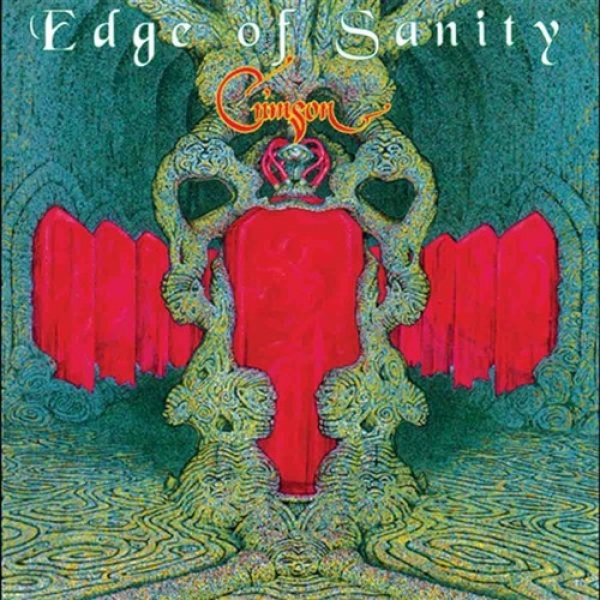
23) Edge of Sanity – Crimson (1996)
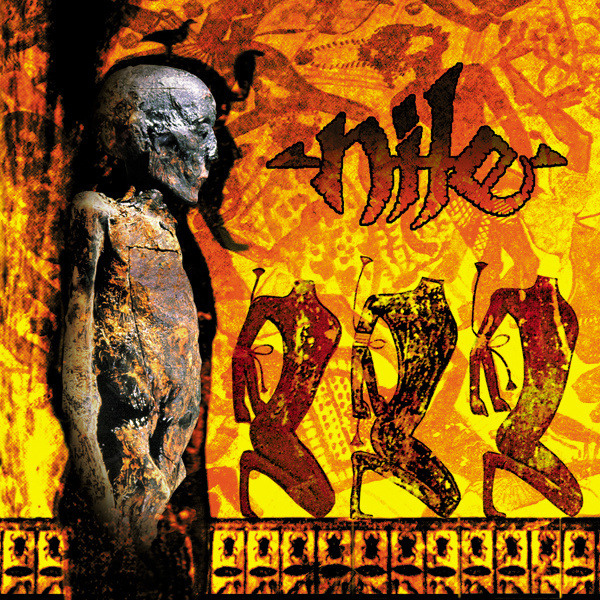
24) Nile – Amongst the Catacombs of Nephren-Ka (1998)
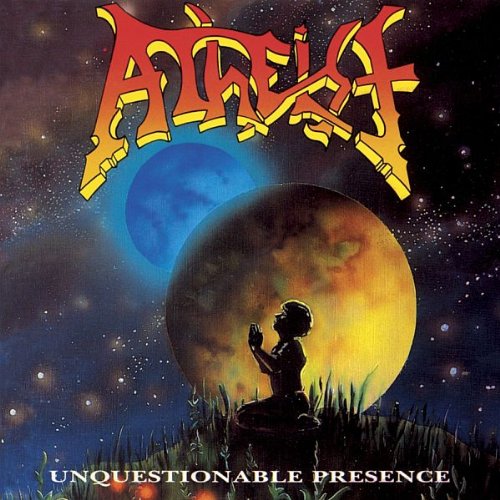
25) Atheist – Unquestionable Presence (1991)
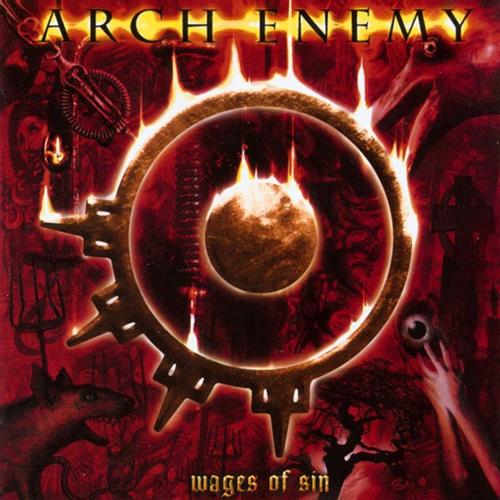
26) Arch Enemy Wages of Sin (2001)
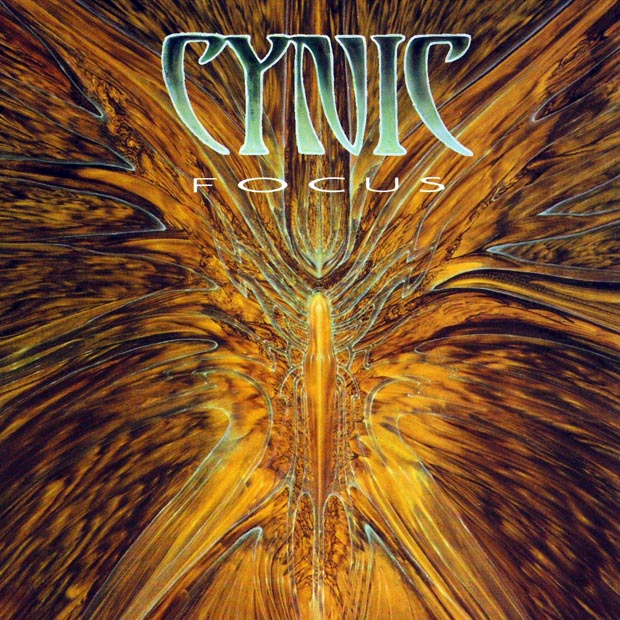
27) Cynic – Focus (1993)
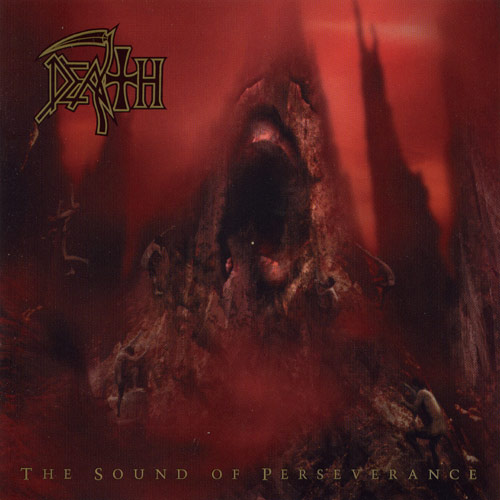
28) Death – The Sound Of Perseverance (1998)
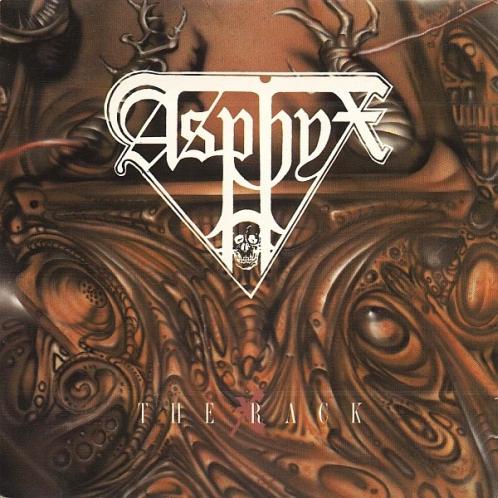
29) Asphyx – The Rack (1991)
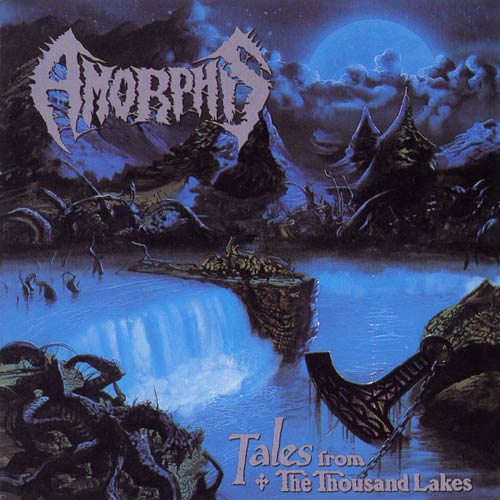
30) Amorphis – Tales From the Thousand Lakes (1994)
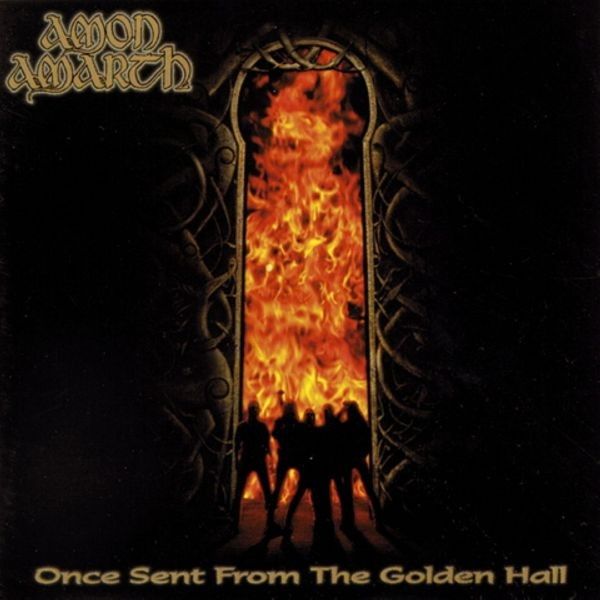
31) Amon Amarth – Once Sent From The Golden Hall (1998)
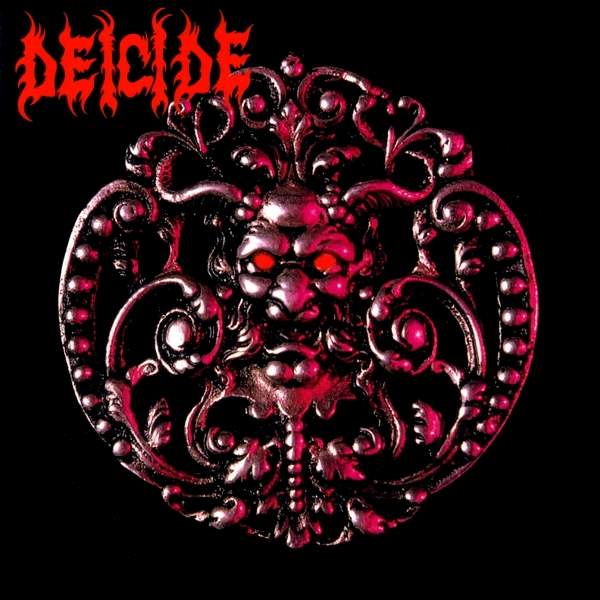
32) Deicide – Deicide (1990)
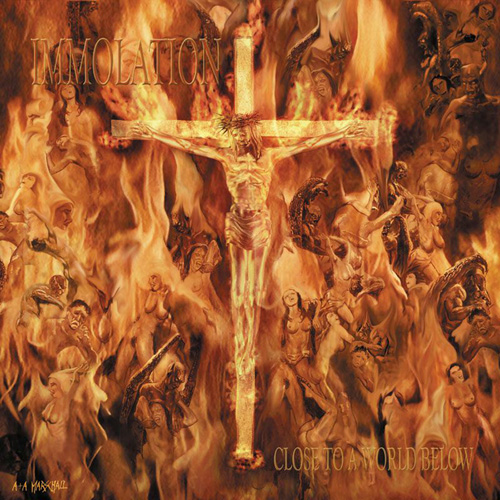
33) Immolation – Close to a World Below (2000)
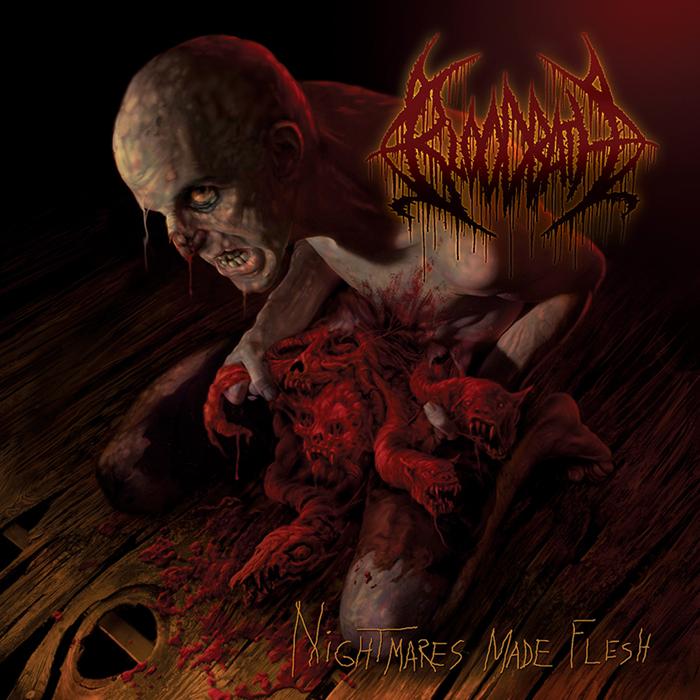
34) Bloodbath – Nightmares Made Flesh (2004)
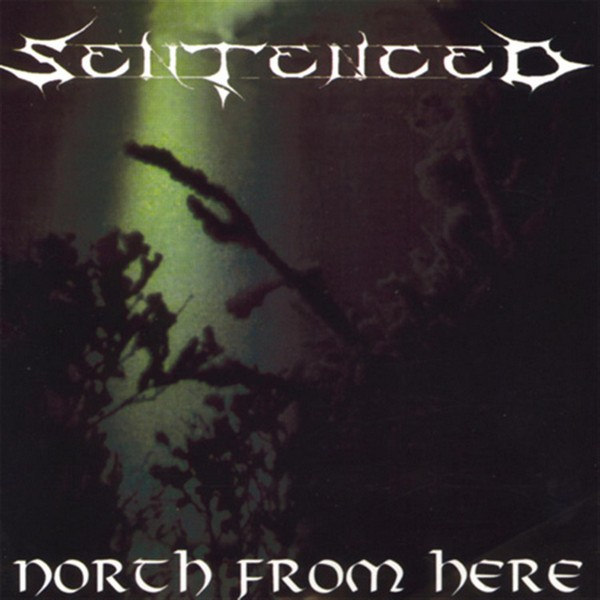
35) Sentenced – North From Here (1993)
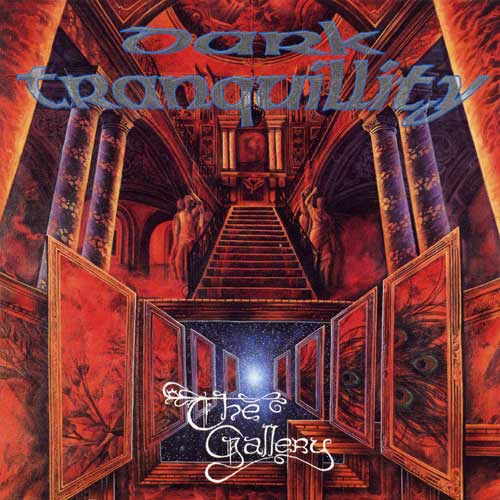
36) Dark Tranquillity – The Gallery (1995)
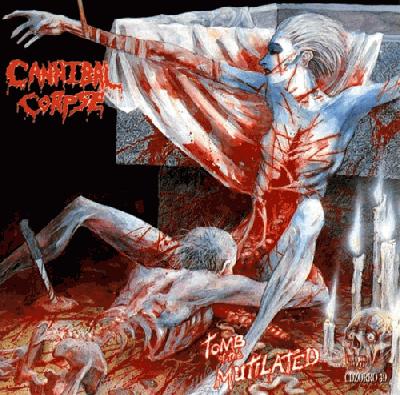
37) Cannibal Corpse – Tomb of the Mutilated (1992)
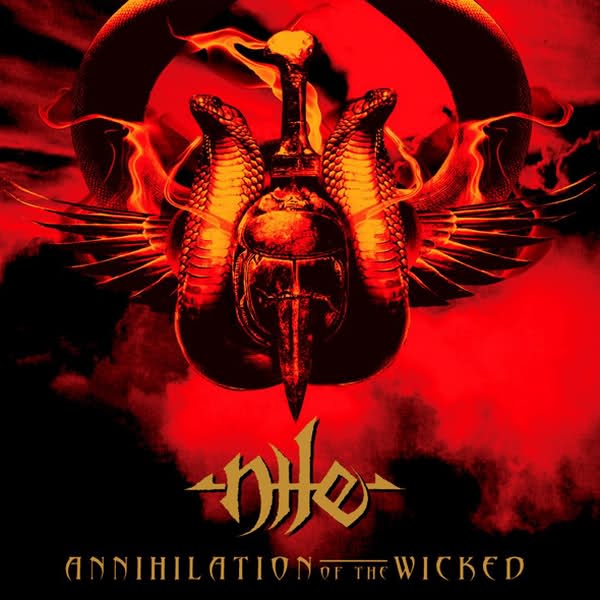
38) Nile – Annihilation of the Wicked (2005)
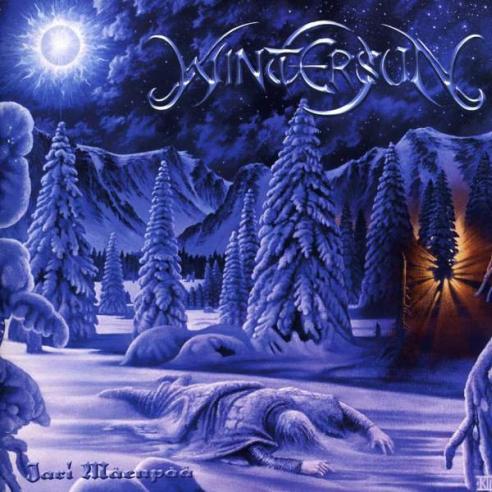
39) Wintersun – Wintersun (2004)
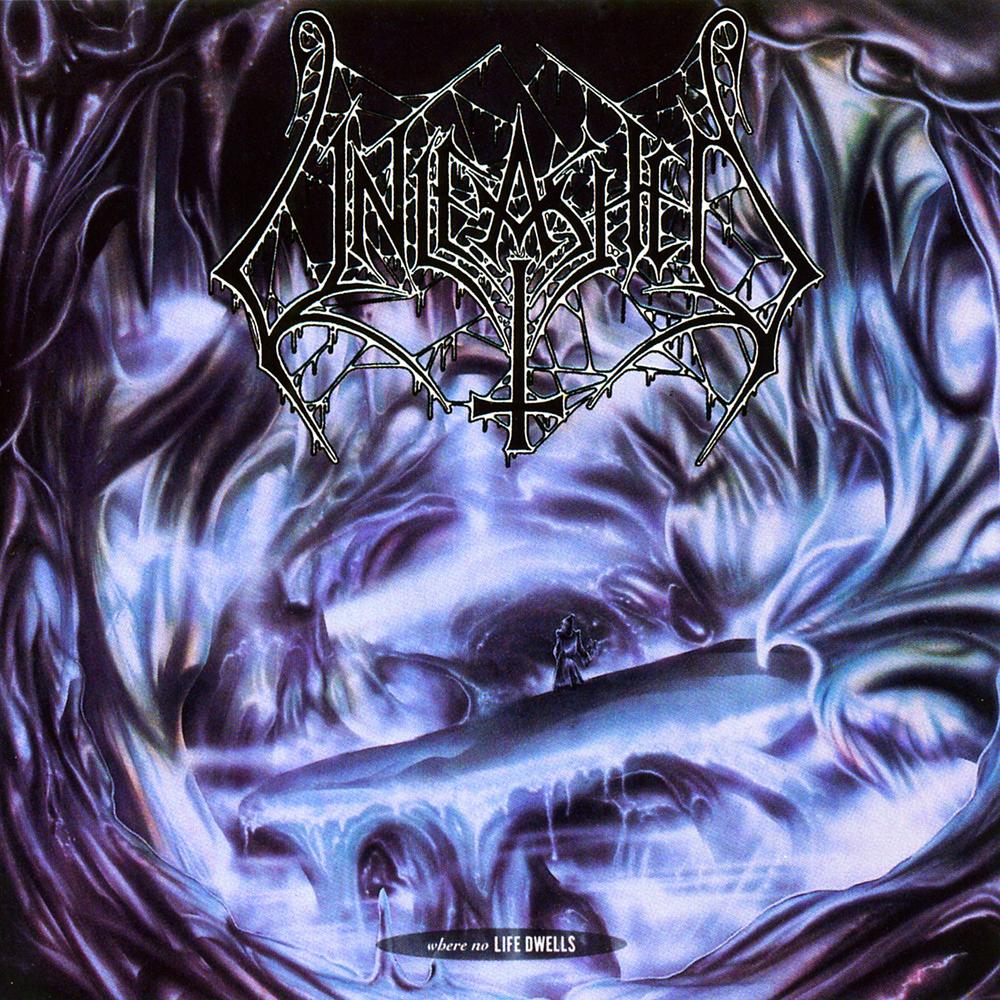
40) Unleashed – Where No Life Dwells (1991)
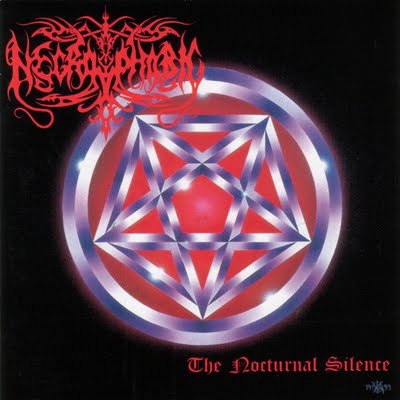
41) Necrophobic – The Nocturnal Silence (1993)
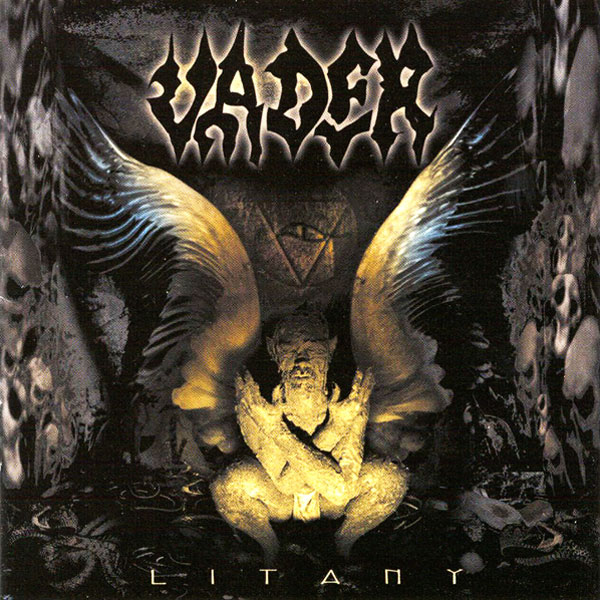
42) Vader – Litany (2000)
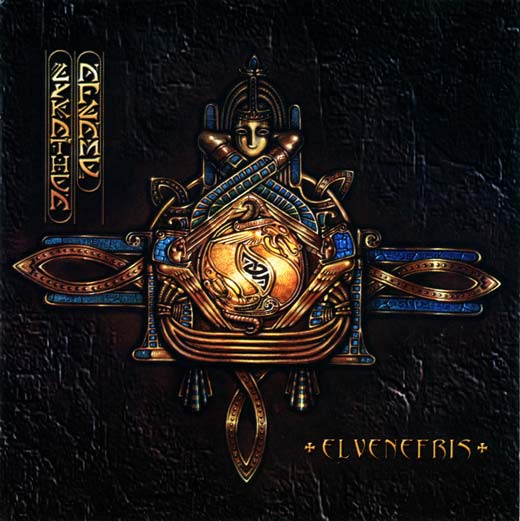
43) Lykathea Aflame – Elvenefris (2000)
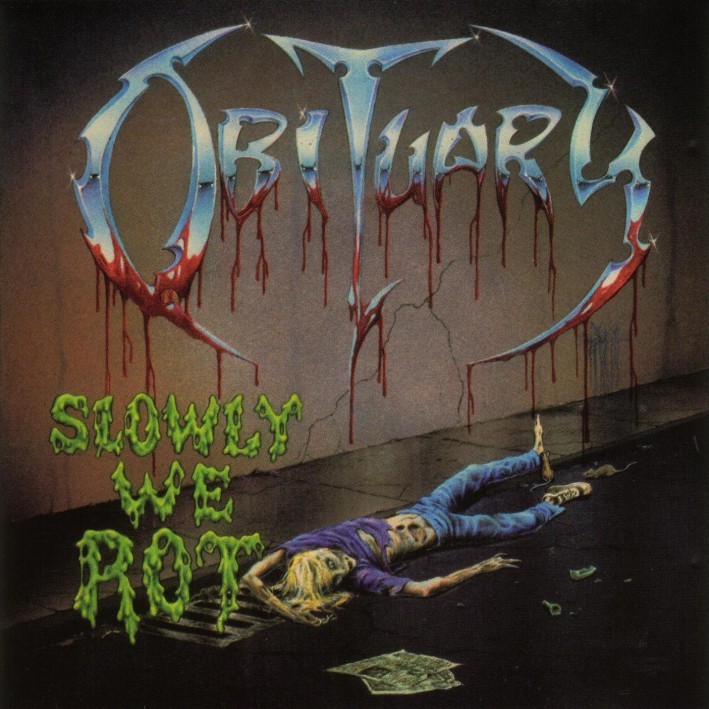
44) Obituary – Slowly We Rot (1989)
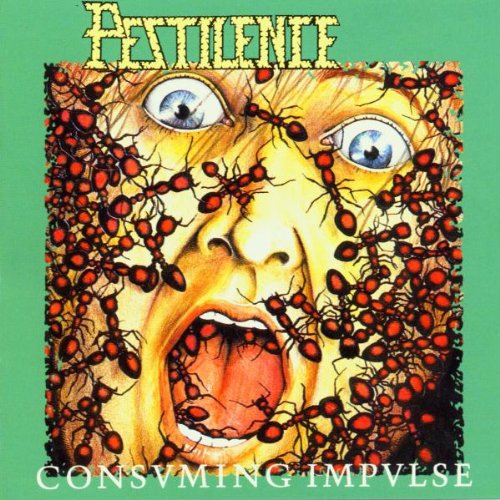
45) Pestilence – Consuming Impulse (1989)
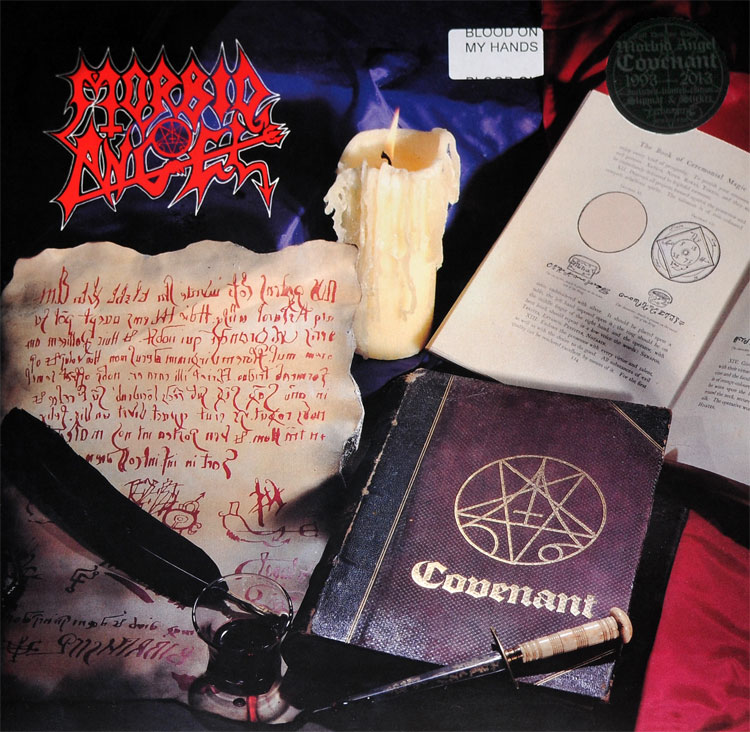
46) Morbid Angel – Covenant (1993)
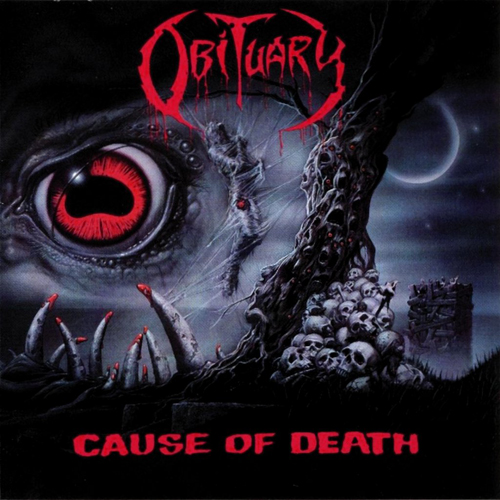
47) Obituary – Cause Of Death (1990)
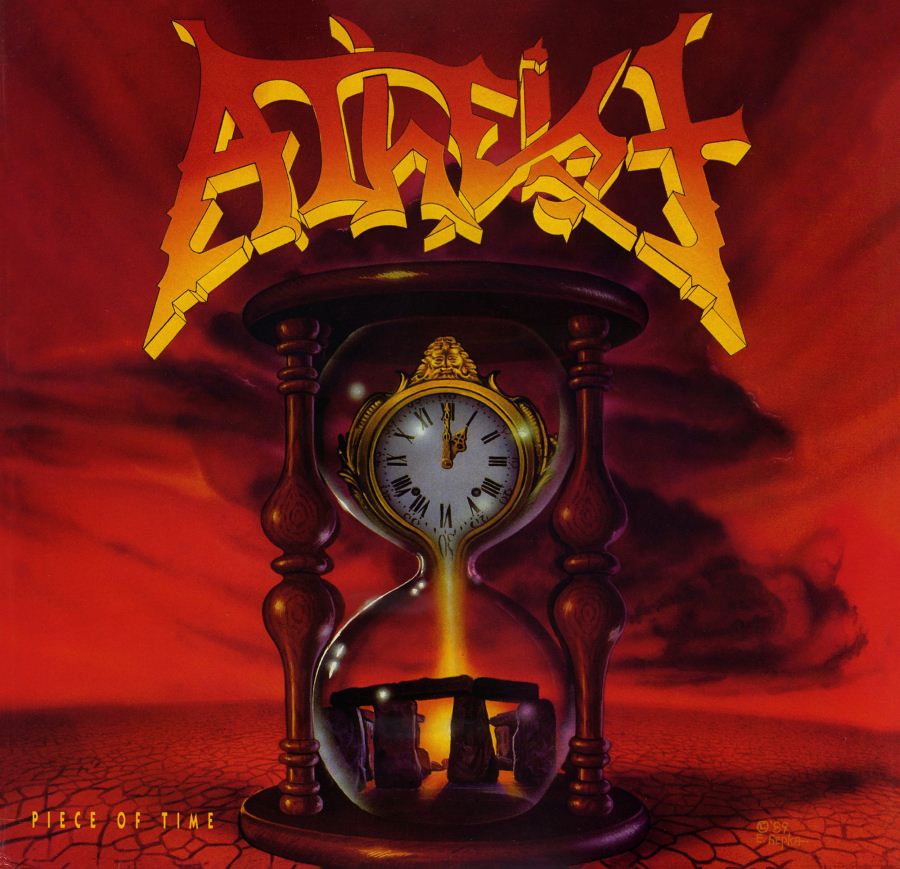
48) Atheist – Piece of Time (1989)
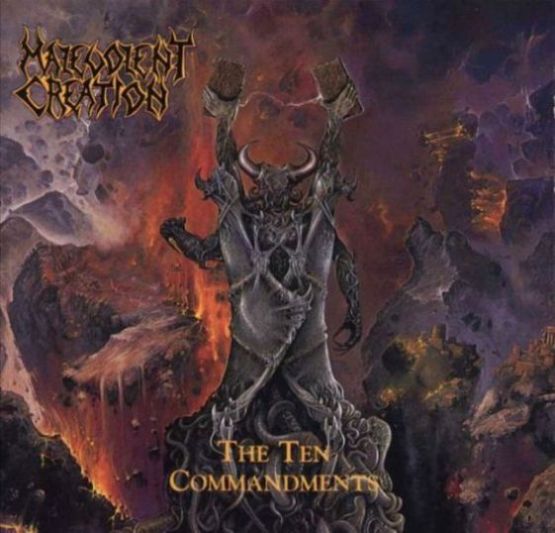
49) Malevolent Creation – The Ten Commandments (1991)
50) Opeth – Morningrise (1996)