If you want to call yourself a metalhead, you simply have to dive into the sonic wonders that emerged from the land of 1000 lakes. Today we will take a look at one of the most beloved groups that Finland has bestowed onto the world.
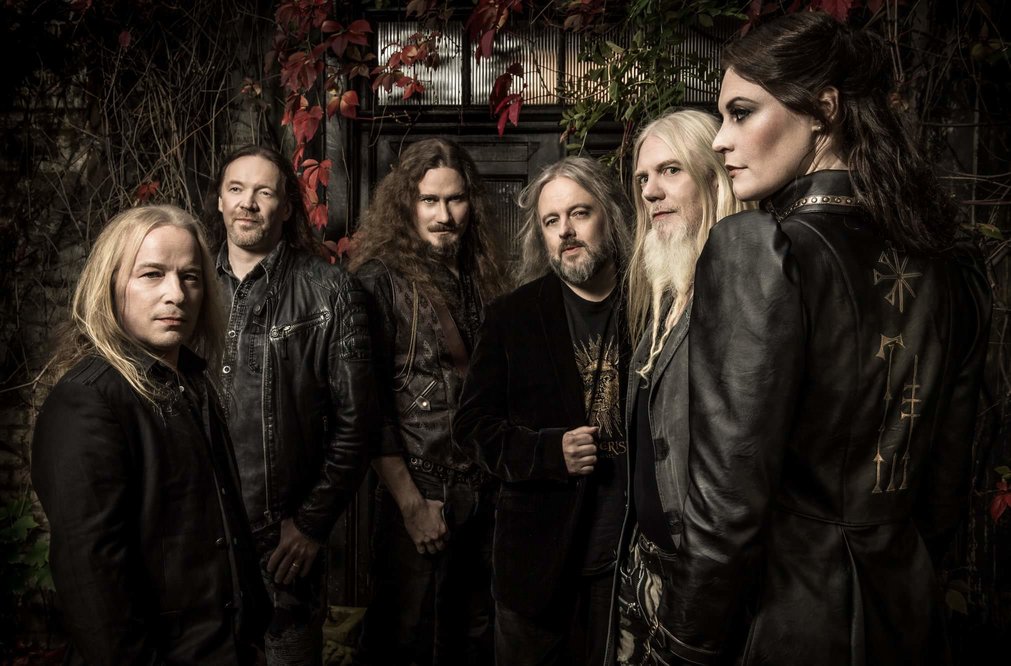
Nightwish are unmatched masters at their craft, having developed throughout the years a catalogue of unique artistry which played an important role in the birth and expansion of symphonic metal. With an extended and insanely devoted fan-base, their name stands as the icon of this genre and their history is truly one of a kind, having sparked tremendous musical innovation as well as a dash of controversy through the metal world as they were going through some of the more troubled times. Opinions vary drastically even amongst the most hardcore fans regarding which of the phases in their evolutions or which line-up formula best represents the name and most importantly, what is their finest work. Let’s have a look at where I stand on the matter.
#9 Angels Fall First
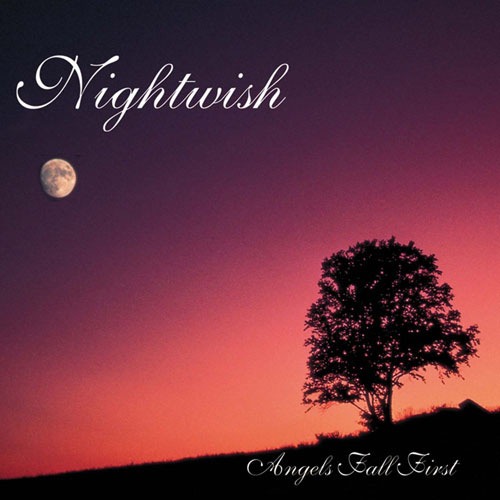
I guess it’s not surprising that the debut “Angels Fall First” comes in last as it’s probably the only album in their discography that actually has them sounding rudimentary and clumsy. The production on this album is definitely lacking in both sound quality and volume and leaves it feeling rather cold and life-less. The musical ideas feel somewhat disorganized and the songs don’t really succeed in keeping the listener engaged. Moreover, it is the only album that had keyboardist Tuomas Holopainen doing vocals, which is probably the biggest problem of them all. The guy simply couldn’t sing and it got quite miserable at times. But with all the many rookie mistakes that can easily be spotlighted with their first record, the passion and musical talent that has driven them to become the legend they are nowadays was already coming through. Jukka Nevalainen’s typical groove constantly makes its way through, somehow trying to pump some dynamic into songs that otherwise feel quite mellow. The keyboards are a constant presence that works well in creating the fantasy vibe they have later gone to refine. And obviously Tarja Turunen’s iconic voice already shines through in full splendor. From ballads to heavy tunes and dramatic touches, they already had it all but just couldn’t make everything fit together and as a result, a full experience of this album feels like a bit of a drag and leaves one slightly dissatisfied.
#8 Wishmaster
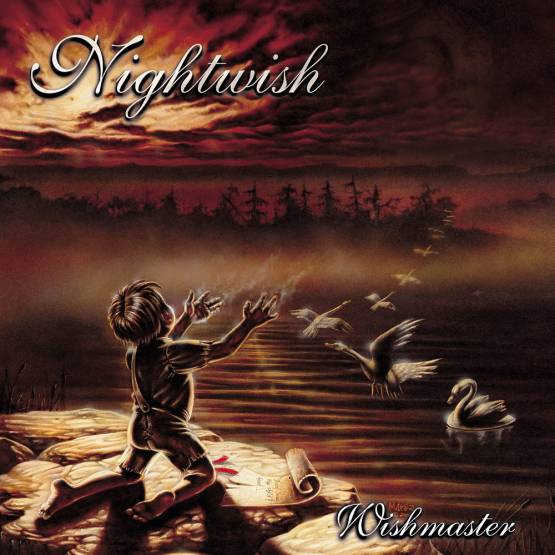
Fast forward a couple of years and we see a whole new level of musicianship coming through. “Wishmaster” stands for everything that makes symphonic metal great. Majestic operatic vocals, swirling keyboards, orchestral sounds and shining lead guitar melodies are intertwined with heavy, power metal riffs for over 50 minutes of musical magnificence. There are fast-paced, energetic tracks as well as ballads that deliver a wide spectrum of expression. Tunes like “She Is My Sin”, “Wishmaster” and “Dead Boy’s Poem” are purebloods that stand unaltered through the decades and age like fine wine, remaining among fan favorites for good reason. The album elegantly blends the operatic component that was so distinguishable throughout the early era of Nightwish and puts it all together in a beautiful but somewhat dark, melancholic atmosphere that carries a certain loneliness with it which I feel also emerges from the cover artwork. But the recipe is still not fully refined. While the composition, musical performance, emotion and atmosphere are all exquisitely put together and performed, there is quite a lot of fill-in material that is good music but lacks a certain spark. The vibe also stays quite unchanged throughout the entire stream which can get a bit monotonous but still, my biggest frustration with “Wishmaster” is the consistent lack of a good chug. The riffs are there and they are powerful but the production is definitely not a friend of the guitar, having it sound slightly buried and underwhelming. A great release this one was, but still, it carried quite a number of flaws.
#7 Dark Passion Play
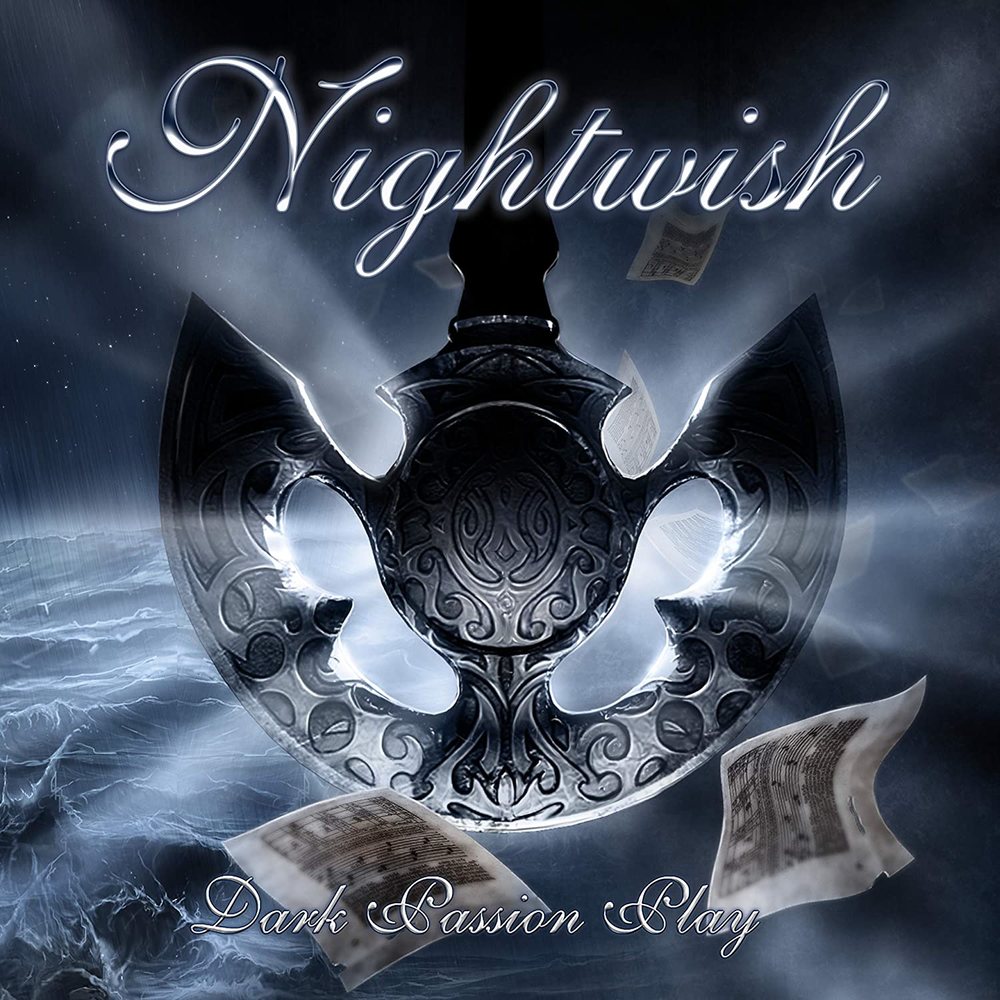
“Dark Passion Play” might very likely be the album that caused most controversy upon release, being the first studio record to see the light of day following the departure of vocalist Tarja Turunen. It came to being during a very uncertain phase in the band’s history and although it was very well crafted, a certain lack of chemistry between the band members found its way into the music on some occasions. Although nowhere near as operatic as the previous five-releases, many elements of the Tarja-era are still present in the composition which tends to feel forced at times since Anette Olzon’s voice really didn’t fit that style. However, “Dark Passion Play” scores big on diversity which definitely works in its favor as it has potential to reach an audience with varying taste. It is certainly one of the heaviest albums they ever released with songs like “Cadence of Her Last Breath” or “Master Passion Greed” boosting some of the crunchiest guitar tones and making really good use of bassist Marco Hietala’s raspy, angry voice. But it is also loaded with catchy, almost pop-tinged tunes like the singles “Amaranth” and “Bye Bye Beautiful” which actually fit Anette’s vocal style like a glove. This album went as far as to bring folk elements to the spotlight with songs like “The Islander” or the instrumental “Last of the Wilds”. But what actually makes it worthwhile is the epic opening track “The Poet and the Pendulum” which to this day remains easily the most striking and dramatic composition in Nightwish’s history. Unfortunately, opening with this song leaves the rest of the album feeling rather underwhelming despite the big-budget production and over-the-top orchestra that permeates the sound in every song. A very extended run-time of 75 minutes and some filler songs somehow got the best of what is otherwise an exceptional, bombastic and ambitious record, filled with mature composition, and exquisite delivery.
#6 Century Child
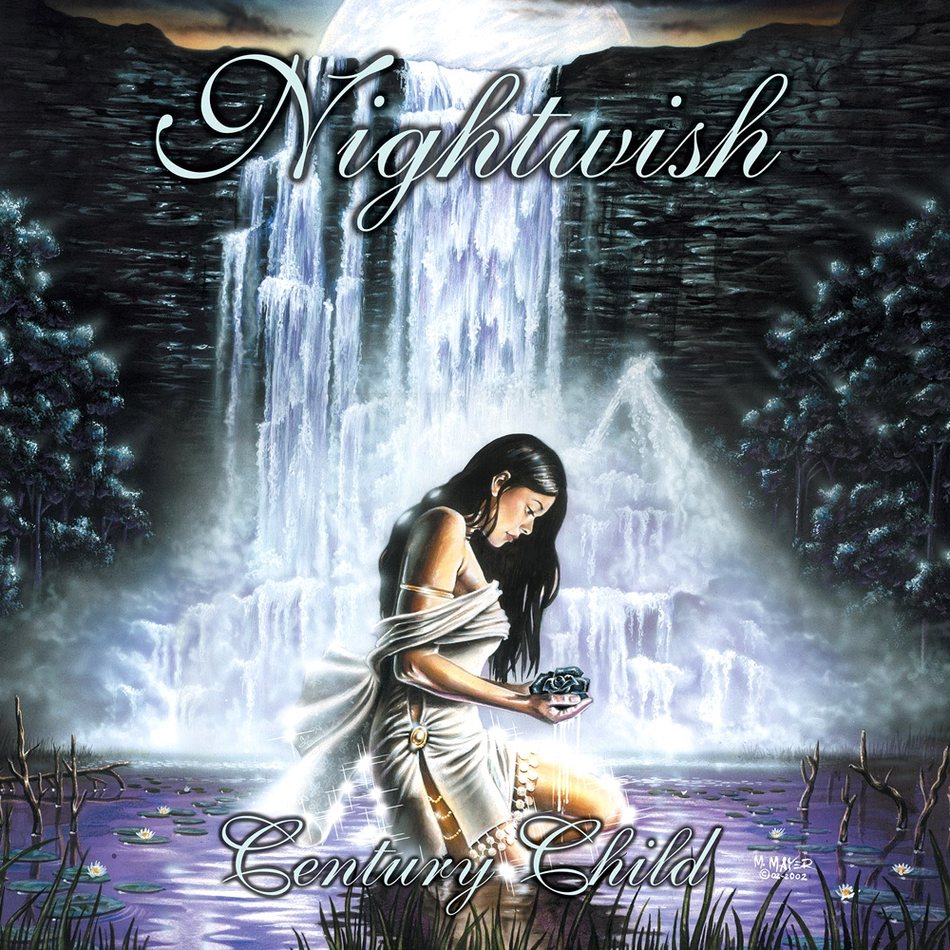
When looking at the band’s evolution throughout the years, Century Child is probably the moment when Nightwish started sounding mature, having refined the layers and different elements in their sound to the point where they fuse together as one. The composition, performance and production of the album all come together a lot better than they did on “Wishmaster” and they are all driven towards the common goal of expressing the intended emotion of each song loud and clear. The addition of Marco Hietala to the line-up definitely boosted the level of dynamic in the songs to the next level and allowed Tuomas to release more of his teenager-ish anger in the music with hard-hitting bangers in the vein of “Slaying the Dreamer” and “Dead to the World” that pushed Nightwish on a new level of impact and aggression. But this album still carries a lot of depth and genuine emotion in songs like “Bless the Child” or “Ever Dream”. “Century Child” is also the album that made them worthy of the word “epic”, with the famous “Phantom of the Opera” cover song and the 10-minute closing track “Beauty of the Beast” proving that Nightwish aimed to reach beyond the borders of the metal spectrum and refused to settle in any pre-defined patterns. With clever and diverse composition, no fill-in songs and an exquisitely balanced blend of metal and symphonic elements, Century Child had all the pieces in place and the proportions worked out to make the intended cocktail of textures truly come to life.
#5 Human. :||: Nature.
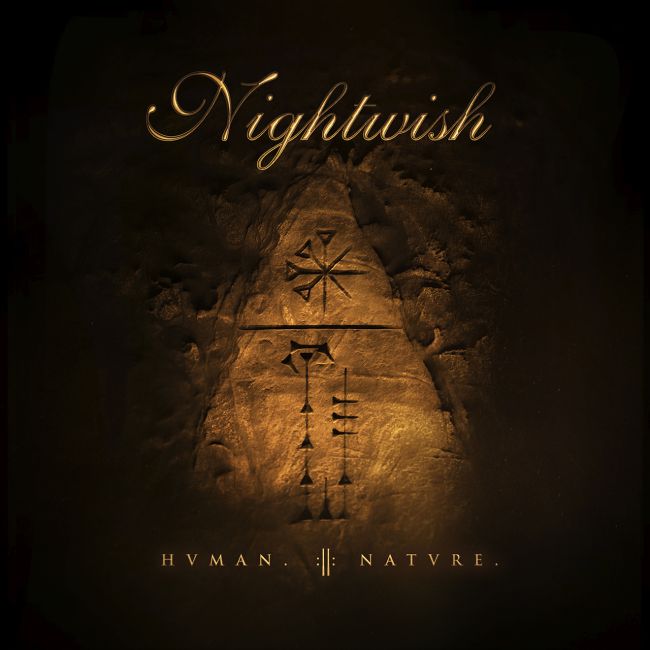
Now let’s return to our present moment and take a look at the most recent offering of our beloved Finns. Portraying an artistic persona unlike any of the ones we’ve seen before, “Human. :||: Nature.” is certainly the most atypical creation that one would expect from this band, making use to some degree of almost every musical element they have put on display throughout their career. From ethereal choirs to highly diversified orchestral sounds, folk elements, full and clear production and some pretty memorable hard-hitting riff-moments, this album feels like a fluent and seamless blend of all that says “Nightwish”. And yet, it feels the least like Nightwish of the lot. It is probably the single standing creation in their two and a half decades of musical career that puts aside the need for exciting bombast in favor of a more humble, relaxed approach, one that seems less otherworldly and more human. Though various operatic moments hearken back to olden days, the approach stays quite humble, honest and warm, and the vocal delivery of the outstanding figure that is Floor Jansen is in the center of that soothing expressive texture. The softness may turn many metalheads the other way but when you just take it for what it is, “Human. :||: Nature.” still makes a very satisfying audition and quite a unique emotional journey. Admittedly though, it has slight drawbacks like a rather questionable 2 CD structure and a certain lack of direction as whole. The instrumental soundtrack music from the second CD does feel a bit aimless without something to actually be a soundtrack to, despite the undeniable quality. But in the big picture, these faults can barely make themselves notice when the atmosphere of the album engulfs you. Though not my favourite, this is undoubtedly one of the most professional and mature creations in the Nightwish catalogue.
#4 Oceanborn
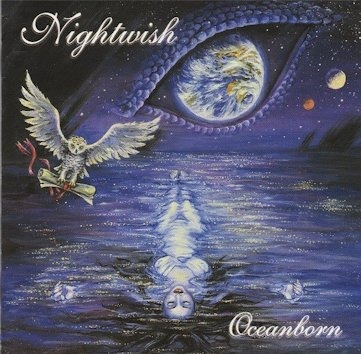
And the juggling between time frames continues. Moving back into the past millennium we see what is, to this day, regarded by many as the “true” Nightwish. I think there was an unidentified spark of genius that drove them to deliver an album this iconic and memorable at such an early stage of their career but “Oceanborn” remains unshaken through the years as one of the most unique, authentic and unparalleled takes on symphonic power metal to have ever seen the light of day. Though at the time it was innovative and boundary breaking, in our present day there is an entire genre based on the musical components we see in “Oceanborn”. And yet, despite constant evolution and improvement on the genre, very few artists seem capable of evoking an emotional and imagistic sonic painting as striking as this early gemstone. The childish innocence that still burned in the passion of their artistry comes through in any song, allowing them to almost get cheesy. But they never lose credibility and sustain a posture of operatic grandeur that simply shakes the soul. From juggling keyboard melodies like we see in “Getsemane” to frantic, high-octane outbursts of theatrical drama like “Devil and the Deep Dark Ocean” and shimmery romantic clichés sprinkled with a dash of fairy-tale elegance, this album fuses into a painting of youthful nostalgia that feels long forgotten in our current time. And atop the strong emotional content, it is also a furious display of musical proficiency, be it noticeable through Jukka Nevalainen’s unique, infectious grooves and battering double bass pedals or the flamboyant guitar and keyboard solos that have probably never again reached the same aura of swirling majesty. “Oceanborn” is immortal.
#3 Once
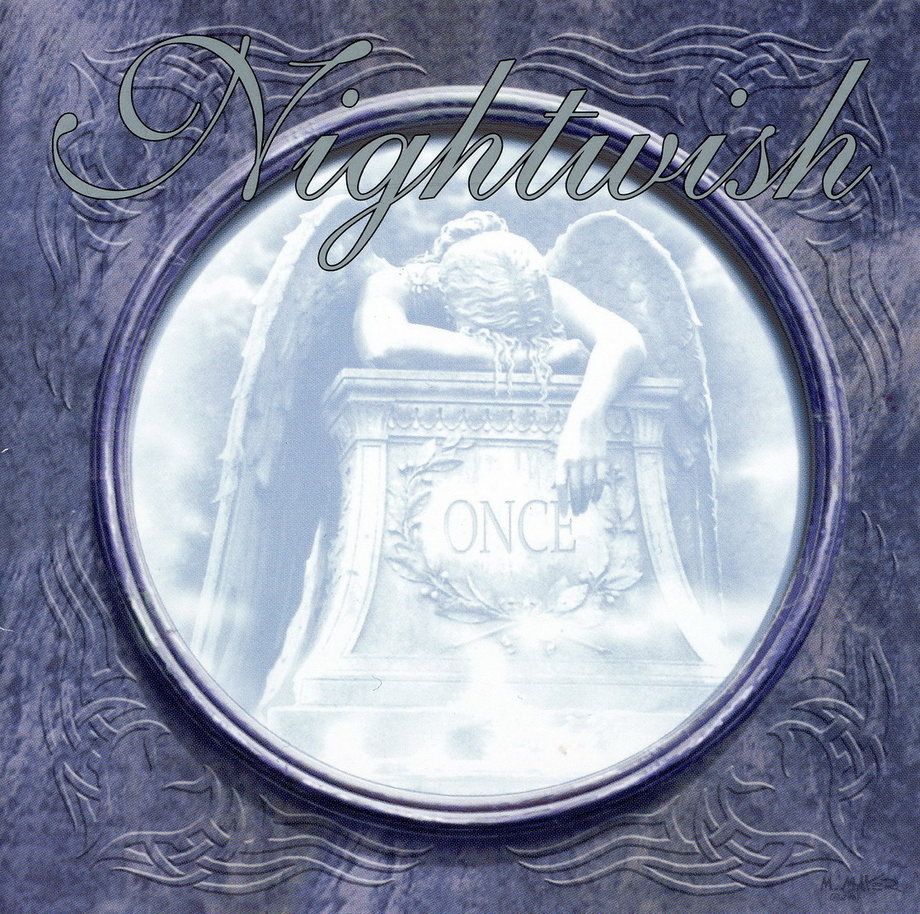
If there is one album in the first phase of Nightwish’s history that reached the same level of credibility, authenticity and grandeur as Oceanborn, it simply has to be “Once”. It feels like a return of the same genius only this time around, it is crafted by considerably more trained and skillful artistic hands. “Once“ feels like a snapshot of the band at the very pinnacle of their fame. It is where the gothic vibe and operatic tone of angel-winged theatrical tragedy was unleashed in its full glory and became what it was meant to be from the inception of Nightwish. A massive wall of orchestral outbursts and aggressive riffs, uncontained by any compositional flaws or material limitations now permeates the soundscape. This is the first album in their evolution to feature a real recorded orchestra that pushes it soaring high above all previous releases. It has that poetic fingerprint of a peak that came before a downfall, making it a surreal experience to listen to. It is also the most multi-faceted album to carry that vibe and imagery of early Nightwish, exposing it through straight metal songs (“Dark Chest of Wonders”, “Romanticide”), radio friendly tunes (“Nemo”, “Wish I Had An Angel”) and symphonic metal in its purest form of epic, with the legendary “Ghost Love Score”. “Once” also proves a more mature openness to experimentation, showcasing occasional disco-sounds (though very subtle) and folk elements (Creek Mary’s Blood) which broadened their arsenal in new directions which were further developed in subsequent releases. As far as I’m concerned, this is the album that cemented their name as the icon of symphonic metal.
#2 Endless Forms Most Beautiful
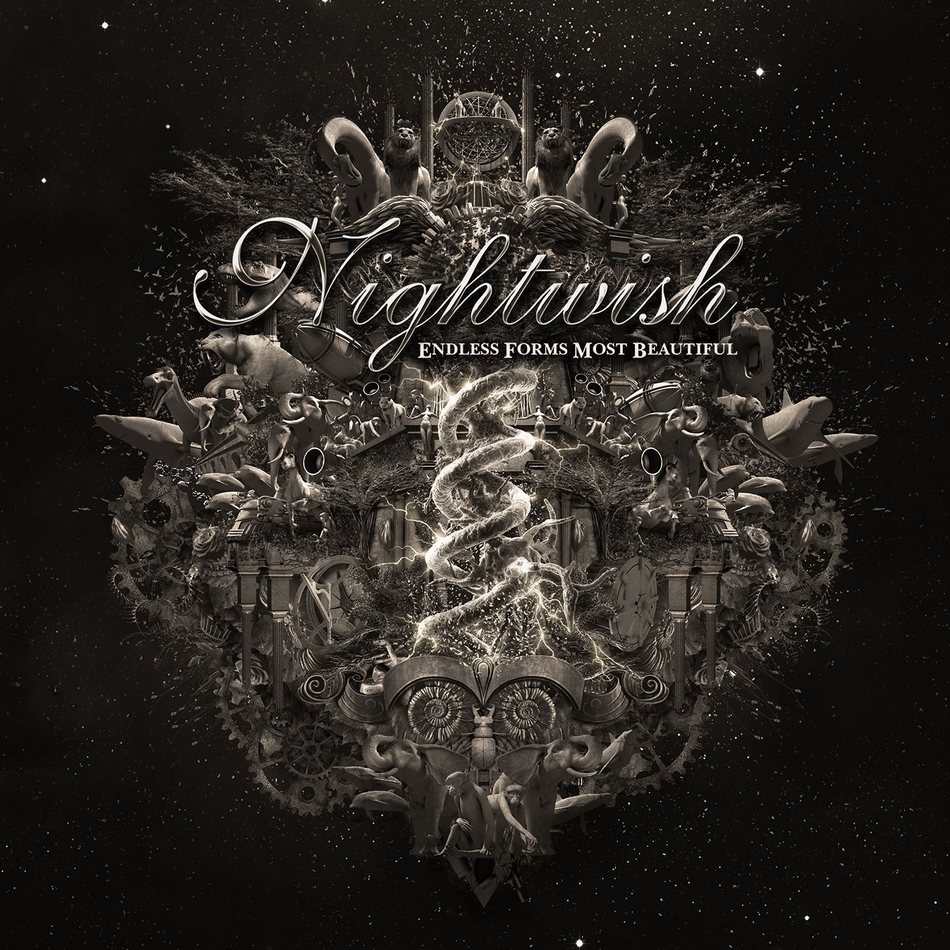
When it comes to making an album bold and daring, this is the one that takes the winning cake. At the time of the release, vocalist Floor Jansen was already introduced to the Nightwish audience and loved by many. But an album that would properly showcase her abilities and solidify her place fronting the band was necessary. “Endless Forms Most Beautiful” was that album. It is very accessible but also quite original and touches on many compositional styles that took a hard turn from what the band had delivered before. It is the first time they stepped outside of fantasy worlds and started touching on advanced, existential topics. Revolving around evolution itself and the many forms it took throughout the aeons, the concept of this album merges art and science into one and plays a role in entertaining as well as inspiring the listeners. Movie soundtrack influences drown the soundscape on many occasions but the pure sound of sweet sweet metal still makes its presence known with a bang. Folk elements are also an important presence, driving the mood of ballads like “Elan” or “My Walden” as this is also the first studio-release featuring Troy Donockley as an official member. Each track feels like it has its own personality, making this a fantastic journey of honest, positive and unrestrained energies. It simply breathes vitality every step of the way. And if that doesn’t spell out “BIG” clear enough for you, then how about closing the album with a 23 minute statement about life itself, from its very origins until the present moment, ending with an impressive speech by scientist Richard Dawkins and closing in a quote from the one and only Charles Darwin. With “The Greatest Show on Earth” it is clear that they wanted to rise beyond anything they had ever done and boast their strongest creation of all. And they came really close, but just a tad bit short…
#1 Imaginaerum
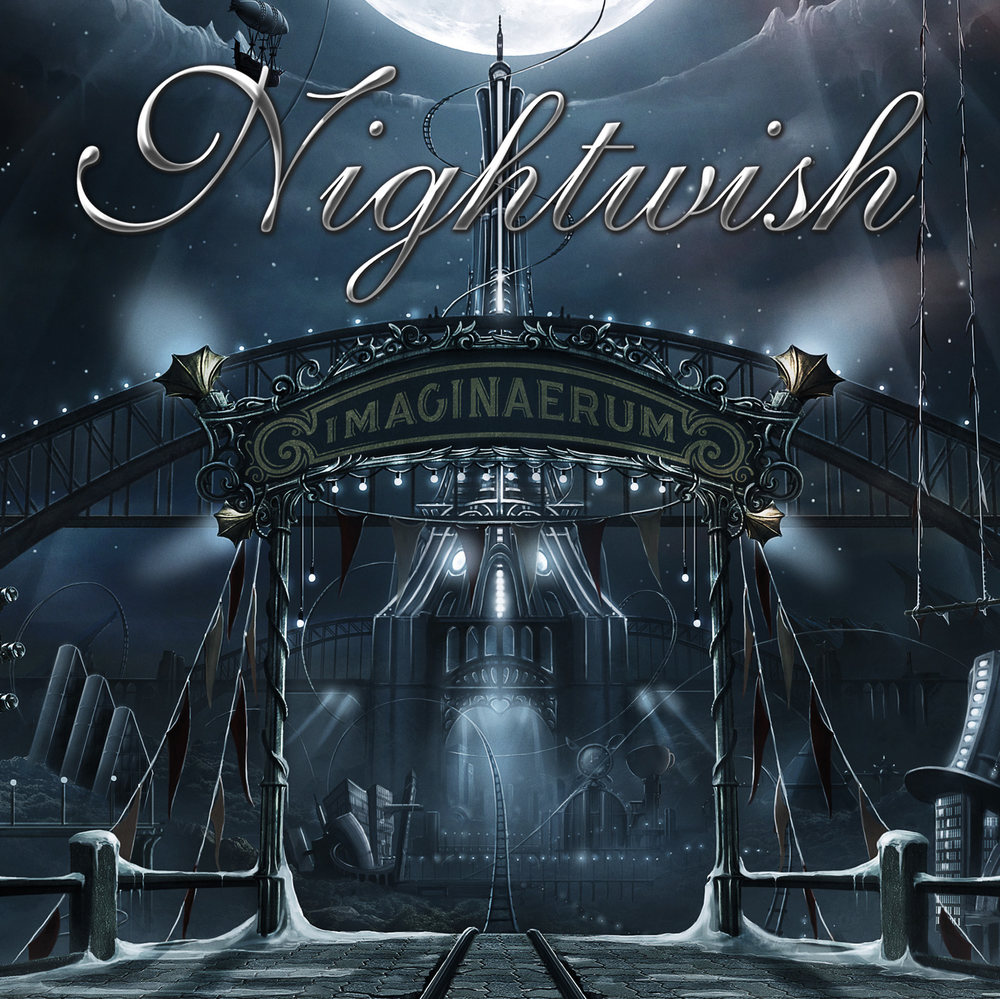
When looking at the entire discography front to back, “Imaginaerum” has to be the most insane and unrestrained Nightwish album of the lot. Based on a childish fantasy imagery of circus freak-shows, fairy-tale vibes and theme parks, this one boasts the most surreal orchestral sounds, groove-laden roaring guitar riffs and explosive percussion. It fully unleashes that high-octane, “in your face” kind of pace that snaps you out of your seat and jumpstarts your energy. Ironically, Anette Olzon is my least favourite of the Nightwish vocalists but her poppy style couldn’t be a better fit for the attitude that this one aims to achieve. Moreover, while all other albums tend to spotlight the lead vocals to some degree, this one does the perfect job at fitting them into the mix as another piece to the puzzle, placed between Marco Hietala’s vocals and the multiple layers of choirs that take a much stronger leading role than they do on any other album. As far as the orchestral soundscape goes, it covers the full range of a full-blown symphonic orchestra from string ensembles to wind instruments and percussion, driving the “wall of sound” effect in full glory. And yet, with the crazy approach to the metal elements, the band never feels drowned out. Somehow, everything is overdone without overpowering everything else, making it the perfect balance of insanity. It’s also superbly balanced as a full piece, with the choices of slower songs or musical curveballs coming at all the right moments. See for example the silly horror vibe of Scaretale and the smooth-jazz, bluesy approach of Slow Love Slow. And despite all the ridiculousness, it actually comes together as one of the most mature pieces, building the flow of a concept album without fully revealing a story as much as an idea surrounded by an environment of surreal imagery. “Imaginaerum” is their masterpiece and it may very well stand as one of the strongest symphonic metal records of all time.