
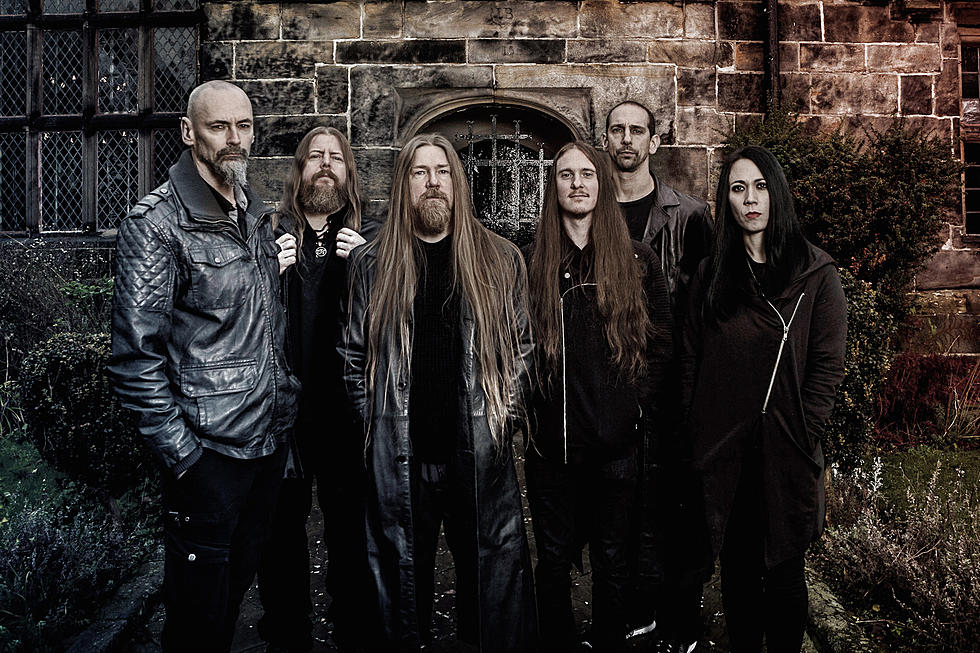
My Dying Bride have grown from the misunderstood poets of the Peaceville Three to elder statesmen of doom death. Let the Shredding begin on 3 decades of morbid majesty!
Welcome to the house of My Dying Bride. Shut the door, abandon yourself to the darkness, and listen to the timbers creak. While you reside here, you will suffer crises of faith, be haunted by impossible beauty, and watch the house rot from within. However, before you enter, bear one thing in mind: once you are in, the intoxication of despair will make it impossible to leave.
Already inside? So…
Bound since the beginning to the Northern England doom death trinity and nurturing home of a label Peaceville, My Dying Bride have remained the most consistent of adherents to their style, while plenty of the early ‘90s underground school have abandoned their roots for greener pastures. Bride have over time doubled down on what made them distinctive: a subtle combination of tortuous slow riffing, mournful twin guitar melodies, the lamenting scrape of violin, and a baroque sense of fallen grandeur that encompasses ornate song structures, poetic lyrics, and rapturous album art. Now celebrating their 30th anniversary (June 6th, 1990 was the official start), the Halifax group still retain their eerie atmosphere and morose heaviness, despite guitarist Andrew Craighan and vocalist Aaron Stainthorpe being the only original members. Nevertheless, the Bride shows no signs of passing away peacefully.
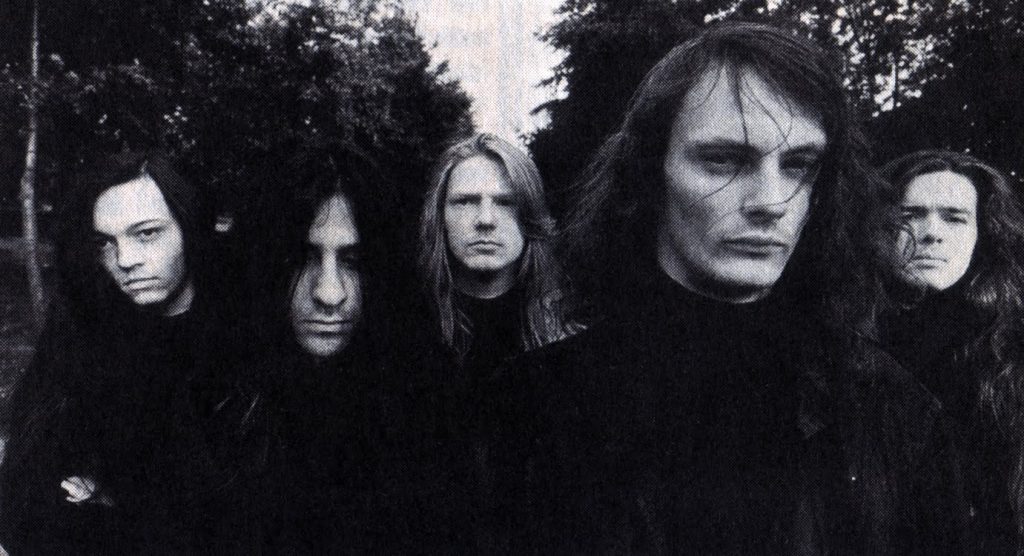
The band’s early releases defined the nascent European doom death sound alongside countrymen Paradise Lost and Anathema, as well as Katatonia, Funeral, and The Gathering. By the mid-’90s, The Angel and the Dark River had extinguished Bride’s death metal traits and saw the sextet touring with Iron Maiden, undoubtedly influencing hundreds of aspiring gothic doom groups in the process. Succumbing briefly to the prevailing trend of the time, Bride flirted with a more experimental sound for Marmite album 34.788%…Complete, shedding violin and keyboards from their songs for a time that saw the Brits slimmed to a five-piece. In 2009, For Lies I Sire introduced 3 new members and a return for the violin, which has continued to mark the band out from their peers. Recent years have been sparse on new Bride material, owing to the loss of members and family health problems, yet latest album The Ghost of Orion was released on the larger Nuclear Blast label – Bride’s first release away from Peaceville since their debut single.
Any fan would say that the complete My Dying Bride discography is infinitely richer than their full-lengths alone. The dark and twisted evolution of primitive death metal into sickly doom death is best charted through the Bride’s obscure early EPs and singles, a phase which continued until 1994 and was later compiled on Trinity. Those in search of underground curios will be especially delighted by the wretched eroticism of “The Sexuality of Bereavement” and early anthem “Symphonaire Infernus et Spera Empyrium”, a grotesque 12 minute affair of grimy distortion and harrowing metaphor that encapsulates the ambition and unique style of early Bride. Compared to the awkward fascination of this pre-album monster, 2011’s The Bargest o’ Whitby EP comes off as more polished, yet the group’s single longest composition (a tense and sinister 27 minutes) ushered in a decade of renewed heaviness and consistency. The ambient/symphonic stylings of Evinta also arrived in the same year, though is left out of the ranking below as it appropriates sections of past Bride songs rather than including new material. That still leaves us groaning under the weight of 13 lead-heavy full-lengths. On with the shredding!
#13 Like Gods of the Sun (1996)
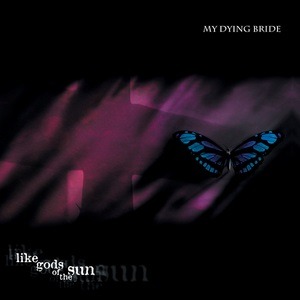
Catching the Yorkshiremen right at the upswing of their careers, Like Gods of the Sun threw a curious conundrum into the equation. Having travelled far from death metal roots to a melodic, sinuous gothic doom on cuts like “A Kiss to Remember” and the title track, Bride had commercialized their sound as far as possible without removing its distinctive elements. The swoop of violin looms large over several songs, notably the simple closer “For My Fallen Angel” (hopelessly romantic or cringe-inducingly limp, depending on your preference), while a new emphasis on pace and concision keeps the album moving quickly through 9 songs in the time that the last spanned 6. As a whole, Like Gods of the Sun capitalized on Bride’s standing among the increasing number of gothic acts in Europe, though lacked the emotional qualities and excitement of their superior early work, neutering creativity as a result. A pinnacle for some, but Bride’s fourth album contained too much filler and too little heart.
#12 A Line of Deathless Kings (2006)
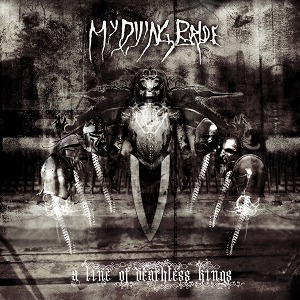
Rather a comfortable album in a career paved with ups and downs, Bride stuck to lovelorn darkness for A Line of Deathless Kings, and, like its predecessor, the result is patchy. Certain cuts prove too gothic for their own good, losing identity in a sea of ill-fated trysts and untimely deaths, while the guitarists shine too seldom. The sound remained stripped back to a conventional band, keyboards a background feature and Stainthorpe mostly neglecting to roar until the final moments of “The Blood, the Wine, the Roses”. That closing cut starts off in livelier fashion than the tepid misery of “I Cannot Be Loved” and “Deeper Down”, while “Love’s Intolerable Pain” supplies a rare solo and some Anathema-like philosophizing. Ultimately, the doomsters were in need of fresh inspiration, leaving A Line of Deathless Kings rather plain and indistinct.
#11 Songs of Darkness, Words of Light (2004)
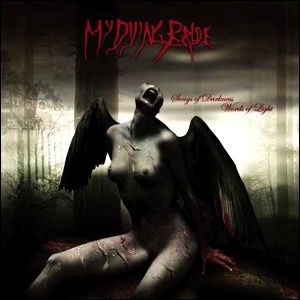
As with several of My Dying Bride’s more gothic albums, Songs of Darkness, Words of Light splits fan opinion. On the one hand, we see the sextet (fleshed out by permanent keyboardist Sarah Stanton) nail a dark and oppressive atmosphere for a whole hour, the pace remaining grimly slow and threatening sounds coming from everywhere – guitars, backing keys, Stainthorpe’s grizzled rasps. By contrast, the album sticks too rigidly to its guns and doesn’t unfold its dramatic promise. Songs such as “The Wreckage of My Flesh” and “The Prize of Beauty” curdle at steady tempos and with too much sheen on the instruments, while the more diverse cuts “Catherine Blake” and “The Blue Lotus” seem oddly restrained despite captivating lyrical storytelling and more frequent changes. The result is rather unusual for Bride, since Songs of Darkness, Words of Light feels rather like an attempt at polished funeral doom with some mismatched vocal diversity.
#10 34.788%…Complete (1998)
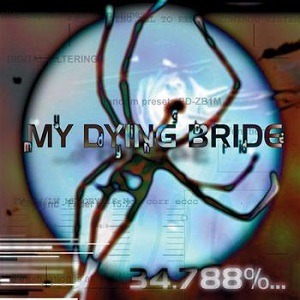
After reaching a point of gothic stagnation, Bride jolted fans out of their romantic reverie with their most experimental album. Named as a reference to guitarist Calvin Robertshaw’s dream in which he was told that humanity had used up over a third of their allotted time on Earth, 34.788%…Complete coincided with violinist Martin Powell’s departure, leaving a stripped back sound and more modern, urban influences. Most startling is “Heroin Chic”, a tongue-in-cheek trip-hop odyssey with countless swearwords fuzzed out, while some evidence of the expanding Britrock craze in the UK may have led to Stainthorpe’s regional drawl gaining in prominence elsewhere. Even slow, depressive cuts like “Der Überlebende” and “The Stance of Evander Sinque” come rolling through a drugged haze, which apexes on “The Whore, the Cook and the Mother”, a crushingly bleak view on womanhood from the perspective of men. Although this 1998 effort has frequently been written off as a frustrated band failing to move with the times, the sole anomaly of Bride’s career excites attention where blander efforts failed.
#9 For Lies I Sire (2009)
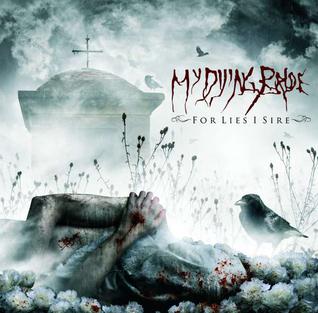
Bride’s tangled tales of misery never needed a gimmick, but bringing back the violin after 13 years of absence revitalized the songwriting, as can be gauged by the varied styles of For Lies I Sire. The record bounces around between riff-heavy material on “Fall with Me”, turns to sparse atmospheric work on “Shadowhaunt”, has a shot at bitter death metal with “A Chapter in Loathing”, and even attempts some ‘80s goth rock for single “Bring Me Victory”. In the end, not everything sticks, leaving scattered traces of greatness and failure, though Bride manage to maintain interest throughout the range of ideas. Unfortunately, For Lies I Sire opens a lot stronger than it concludes – a rarity for Bride – yet proved that the spark had not gone out. Of note is a strong performance from Katie Stone on violin, which causes “My Body, a Funeral” and the title track to stand out, even if she would choose to focus on A Forest of Stars shortly after.
#8 As the Flower Withers (1992)
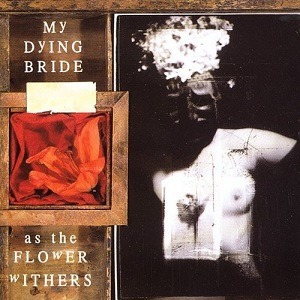
Bride’s debut album is extremely difficult to view objectively. A nasty, festering relic from an era of bad production and unrefined musicianship, As the Flower Withers bears more than just the distinction of being “the first one with boobs on the cover” (yes, there are more). Ferocious death metal assaults on “The Forever People” and “Vast Choirs” cohabit with crawling passages of cloistered doom, much nastier than anything dreamed up by Trouble or Candlemass. The Latin lyrics and creepy violin of “Sear Me” gave most metalheads their introduction to Bride, yet the epic story told both musically and lyrically throughout schizophrenic closer “The Return of the Beautiful” proved beyond a doubt that a new musical era had arrived. Doom death’s most grandiloquent disciples had officially touched down.
#7 The Light at the End of the World (1999)
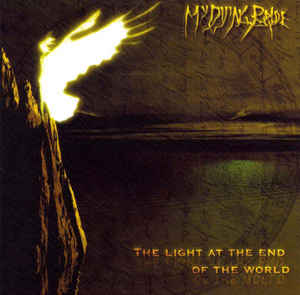
After receiving polarizing reactions to the experimental 34.788%…Complete, Bride managed to steady the ship within a year. Recorded as a quartet, with Andrew Craighan as sole guitarist, The Light at the End of the World stripped away all the ornamentation of the band’s earlier albums and solidified a recognizable My Dying Bride style. Without any violin or many keyboards to interfere, songs like “Edenbeast” and “Sear Me III” push guitar melodies to the fore, Craighan intertwining riffs with one another to create mournful, sedate compositions. Some death metal elements provide diversity on “She Is the Dark” and “The Fever Sea”, both of which showcase Stainthorpe’s newfound growls (a higher snarl replaces his earlier fury), while “The Isis Script” sees Bride unafraid to include a real chorus. Rather unwieldy at 71 minutes and lacking the diversity of other albums from the Yorkshire lads, The Light at the End of the World is a typical bout of misery that helped Bride to save their prominent position in doom metal.
#6 The Ghost of Orion (2020)
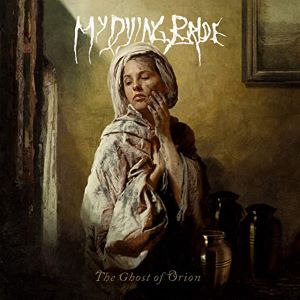
Nearly 5 years on from Feel the Misery, the most recent Bride album groans under the weight of its context. Longtime guitarist Calvin Robertshaw was out (again), Jeff Singer joined on drums, and Aaron Stainthorpe firstly watched his daughter battle cancer then struggled to record vocals in the studio. The result surprises in its creativity, 3 songs floating by without drumming or Stainthorpe singing: most striking is “The Solace”, Craighan’s billowing guitar leads supporting Lindy Fay Hella’s folky guest performance. Elsewhere, Bride settle easily into a familiar melodic tangle on the conventionally doomy “Tired of Tears” and look back to heavier territories for a pair of 10 minute epics. With new label Nuclear Blast promoting “Your Broken Shore” and “To Outlive the Gods” with videos, The Ghost of Orion surely marks the start of a fourth great decade for Bride.
#5 The Angel and the Dark River (1995)
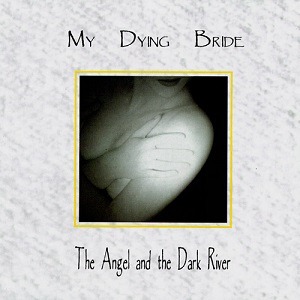
Confidence growing with each release, Bride made strides into more gothic territories on their third full-length opus. Aaron Stainthorpe was singing mournful melodic lines throughout the whole album, “Two Winters Only” was largely based around clean guitar melodies, and the band even opted to end “The Cry of Mankind” with an artistic fade-out that was chopped off on the more concise music video. Fans will often point to The Angel and the Dark River as the archetypal Bride album, and indeed later efforts remained close to this blueprint, though others criticized the extent to which the violin and several static soundscapes had begun to dominate proceedings. Indeed, fine closer “Your Shameful Heaven” lends credence to these sceptics by finally loosing its religious vitriol after 50 minutes of sighing and swooning. The Angel and the Dark River is definitely one for the romantics.
#4 A Map of All Our Failures (2012)
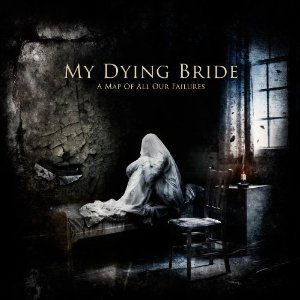
For those unsure what the next move would be after the symphonic/ambient Evinta and monolithic single The Barghest o’ Whitby, the big slab of doom that hit stereos in 2012 certainly caused a reaction. Seemingly smitten with underground doom death again after flirting with smoother gothic styles, the concrete riffs packed by “Hail Odysseus” and “Kneel Till Doomsday” announced a renewed obsession with heaviness and sloth over the poetic moods of the past. Bruising slowness aligned with pitch darkness to push moments into funeral doom territory, while extremely competent performances from guesting former drummer Shaun Taylor-Steels and current violinist/keyboardist Shaun Macgowan added nuance to the onslaught of riffs. Picking out individual songs may be slightly tough, yet A Map of All Our Failures remains the most crushing hour of recorded Bride.
#3 The Dreadful Hours (2001)
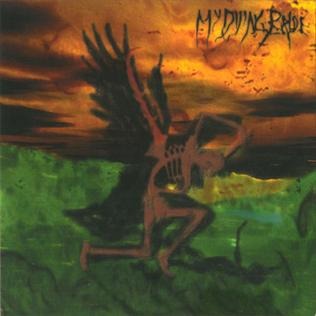
With new guitarist Hamish Glencross transplanted from Solstice, Bride took the new millennium by storm, challenging the riff-based songwriting of The Light at the End of the World and finding success in diversity. The quintet were making more use of contrasts and textures than ever before (Jonny Maudling and Yasmin Ahmed both supplied guest keyboards), “Le Figlie Della Tempesta” murmuring along in unnerving goth rock placidity and “Black Heart Romance” shifting between bludgeoning heaviness and dreamy light melodies. That’s not to say that The Dreadful Hours is soft, far from it as “The Raven and the Rose” proves with brutal deathly force. Fitting the band’s newfound ability to blend their heaviest and most melodic styles, a revamped version of “The Return of the Beautiful” (now “Return to the Beautiful”) closes proceedings, though may push the listen over the edge for some, seeing as it brings the 8 songs beyond 70 minutes. Although The Dreadful Hours does not feature a particular killer tune, it represents a creative pinnacle for Bride.
#2 Feel the Misery (2015)
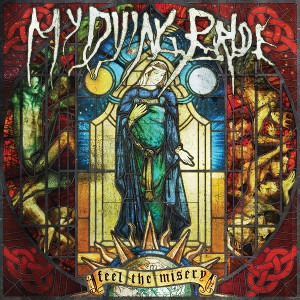
As with most of Bride’s best albums, Feel the Misery satisfies because of how it captures the band’s essence while simultaneously diversifying their palette of sounds. Some of the grinding slow-motion of its predecessor remains in the creeping mystique of “I Celebrate Your Skin”, yet even a couple of ballads hit the spot, “A Thorn of Wisdom” particularly spreading its wings in the latter stages. Growing confidence in Stainthorpe’s vocals provides more diversity, and a pliant production supports darting hooks in the chorus of “To Shiver in Empty Halls” and dangerous sloth during “Within a Sleeping Forest”. The simpler title track may have risked sounding throwaway in another context, but a canny running order spoils fans with 3 complex tracks and then the more concise material, meaning that over an hour of slow pace never becomes a chore. About as capacious as Bride have ever been, plus packing great lyrics and artwork, Feel the Misery is Bride’s most recent masterpiece.
#1 Turn Loose the Swans (1993)
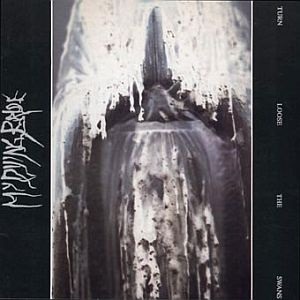
The cover adorned with an obscure close-up of candlewax melted over a religious icon, Bride’s second full-length was always intended as a serious artistic statement. The band have commented on a heavy Celtic Frost influence, though the clanging piano and gliding violin of opener “Sear Me MCMXCIII” and quoted verse from 18th century poem “Ah! The Shepherd’s Mournful Fate” in closer “Black God” indicated more stately classical aspirations than extreme metal. Nonetheless, the heavy grind of doom death riffing sat alongside smoother passages of clean playing, while a quantum leap in the vocals of Aaron Stainthorpe juxtaposed odious growls with aching cleans. When everything comes together on the title track and “The Snow in My Hand”, Bride combine inventive riffing, ornate lyrics, and an emotionally charged atmosphere – touching both ragged despair and awestruck wonder – to spellbinding effect. Turn Loose the Swans cemented their status as doom death leaders and significant contributors to European gothic metal. The album rewards patient listeners above all, with fan favourite “The Crown of Sympathy” the most instantly gratifying cut.
