
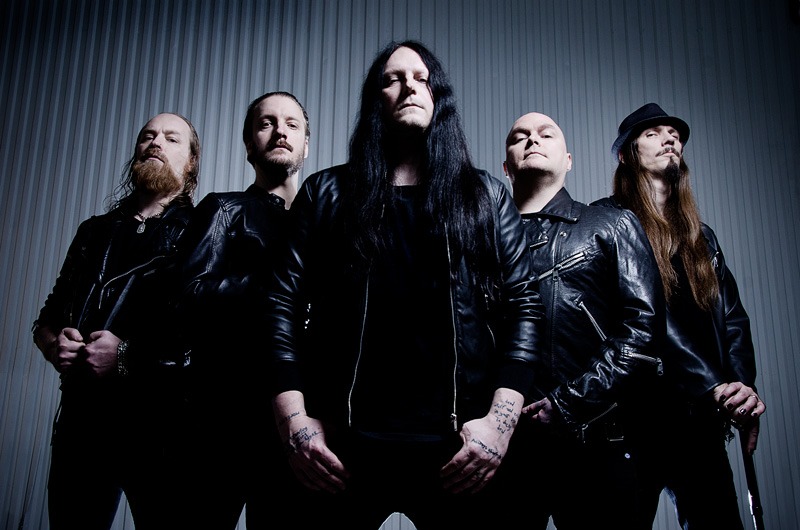
Whatever way you look at them, Katatonia stand out a mile from other bands. Not only have the Swedes journeyed from embittered doom death infancy to dreamy prog pop maturity, they have clung onto the same sense of inner emotion and eggshell survival throughout 11 superb full-length albums. TMO scribe Edmund Morton looks back at a 30 year career that has seen Katatonia’s shy souls emerge slowly into the sunlight. Let the discography Shredding begin!
Starting life as an obsessive project in the teenage minds of Anders Nyström (guitars, keyboards) and Jonas Renkse (vocals, drums), Katatonia initially bore some resemblance to the death metal groups that popped up every 5 minutes in early ‘90s Stockholm, yet the pair quickly moved away from that style in favour of the sound of doom and the aesthetic of black metal. The Dan Swanö-produced demo Jhva Elohim Meth cut weird shapes influenced by everything from Paradise Lost to Bathory, but 1993’s majestic Dance of December Souls put the duo firmly on the doom death map along with new recruit Guillaume Le Huche (bass). The course looked set to continue after the EP For Funerals to Come; however, 2 major stumbling blocks frustrated Katatonia, namely a total lack of support from their troubled label No Fashion Records and damage to Renkse’s harsh singing voice, supposedly caused by his unrestrained performance on the debut. Their disillusionment was palpable, as can be witnessed by “Scarlet Heavens” – an epic experimental detour in the style of Sisters Of Mercy or Dead Can Dance available on the early compilation Brave Yester Days – and the brief separation that preceded sophomore album Brave Murder Day.
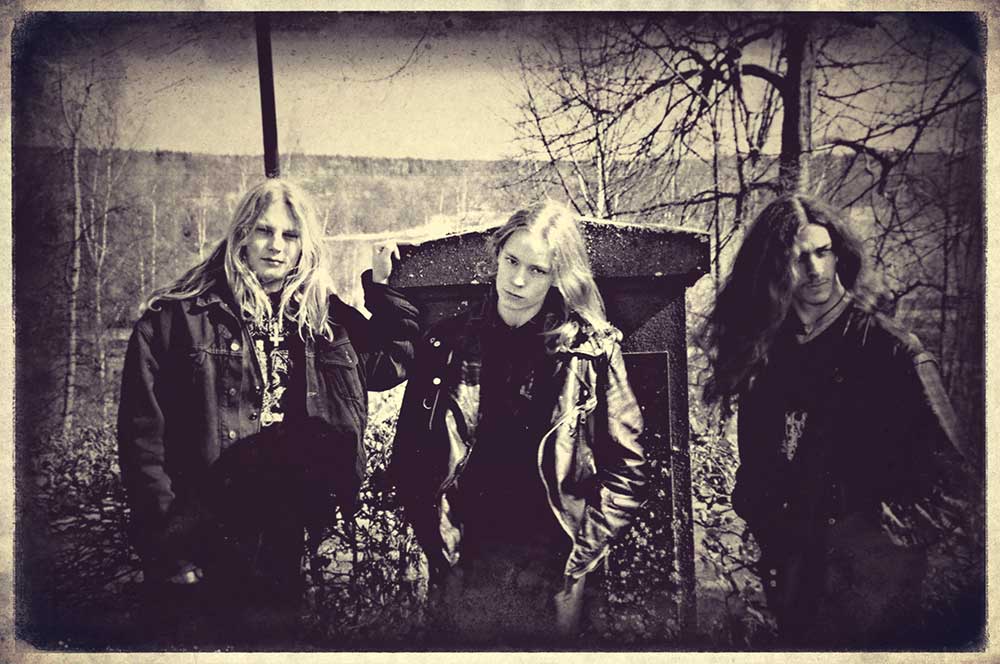
The shaky start began to right itself as Katatonia gained members and transformed their sound from the bleak crawl of doom death to an indefinable gothic, grungy, doomy stew. Fred Norrman (guitars) arrived first, then Renkse moved off drums to concentrate on his blossoming clean vocals, and the band finally entered the 21st century with a full line-up completed by Matthias Norrman (bass) and Daniel Liljekvist (drums), making consistent touring a real possibility. By this juncture, the melancholic sparkle of alternative rock and personal storytelling had taken the place of doom’s existential misery, though the band never made any jarring changes to arrive at the more accessible style of Last Fair Deal Gone Down. From then on, the path of progress has never stopped, adding in electronic elements for Night Is the New Day and more progressive techniques on recent albums like the Tool-esque Dead End Kings and the sprawling The Fall of Hearts. No matter how far Katatonia move from their roots as doom-loving black metal fanboys, a certain emotional thread has remained that lyrically and musically can associate the Swedes’ earliest and latest output. Throughout the depth of their discography, the Katatonia mood pervades.
#11 Dead End Kings (2012)
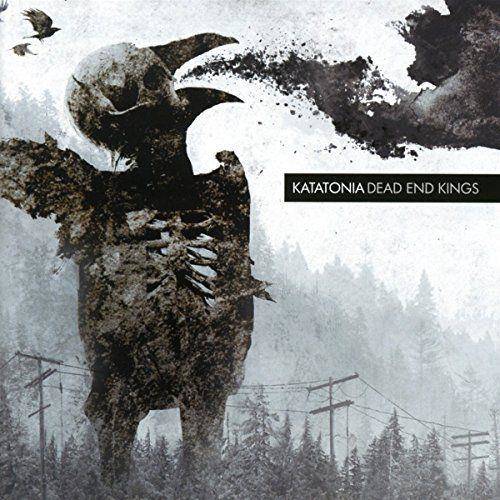
At once a blurring of all Katatonia’s qualities and simultaneously a sharpening of their “brand image”, Dead End Kings gave the Swedes a new niche and a new nickname inspired by the title. Fredrik and Matthias Norrman had stepped out after Night Is the New Day to be replaced on guitar and bass by Per Eriksson and Niklas Sundin, representing the band’s biggest line-up change in the 21st century. Of course, the old duo wrote most of the songs, yet a switch back to more natural guitar textures and whole-band dynamics leave this effort feeling relaxed and wandering. The songs themselves actually don’t stray much off the path of building verses and climactic choruses, yet the downbeat moods and hazy construction make them far from catchy or immediate. With several Katatonia albums, repeated listens unlock the secrets within; with Dead End Kings, the process of unlocking the best content feels almost endless.
Passages that gently offer clean guitar, haunting keyboards, or lilting melodic vocals come round again and again on “Unto You” and “Hypnone”. Where one might expect transitions into harder riffing material, that doesn’t always happen, though “The Parting” and “Buildings” have much more thrust, as well as the sensibly paced “Lethean”, which could have been found on Last Fair Deal Gone Down. Some of the Tool-isms that Liljekvist and Nyström have grown increasingly fond of flavour the turning points of those tracks and the notably polyrhythmic introduction of “Dead Letters”, not to mention mystifying the atmosphere at other moments. In a sense, Katatonia’s growing musical smartness proved their own worst enemy on Dead End Kings, since songs are flat in places and not quite as emotive as previously. Certainly a summation of how “new Katatonia” has deviated from the old, the group’s ninth album isn’t always that satisfying.
#10 The Great Cold Distance (2006)
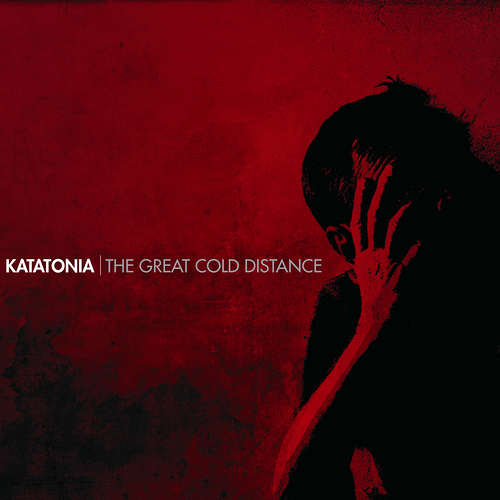
At certain points in Katatonia’s great shifts between styles, the band must have found it tempting to aim for a more commercial sound, particularly when their depressed metal had swung more in the direction of moody yet catchy rock music. If any exact moment could be identified where the Swedes dallied with the mainstream, The Great Cold Distance is the most likely spot. This 2006 full-length has many features that deserve a tag of “radio friendly”, such as the uniformly controlled song lengths, a tendency to regular structuring, and a high number of sticky choruses. Until the recent City Burials, the only time Katatonia released 3 singles for the same album was with this one, nor should it go unnoticed that The Great Cold Distance saw 3 EPs put out for the unexceptionable “My Twin”, “Deliberation”, and “July”. Certainly in the case of the foremost and the latter song, radio airplay seems a suitable target, while “Deliberation” separates itself by virtue of more atmospheric tricks leading into a great refrain, such as the tentative guitars that highlight the verses and align the song with its sister piece on the album, “Consternation”.
Some of the rhythmic play exceeds the progressive exploration seen on Viva Emptiness, while Renske sings more softly in the same manner as Deftones’ Chino Moreno, though the variety of that preceding album was cut down severely for a more unified sound that bunches under a thick production. Problematically, the band still included 12 songs using this formula, “Soil’s Song”, “Rusted”, and “The Itch” suffering as a result by getting lost in the shadow of better cuts. In these cases, Katatonia focus a little too much on tension and release – a feature also of the record’s best numbers – and fail only to find gripping ideas for both parts. By no means a poor attempt at catchier songwriting or finding a new method of affecting the listener, The Great Cold Distance only lacks some of the creative spark and sense of adventure that other albums possess in greater quantities.
#9 The Fall of Hearts (2016)
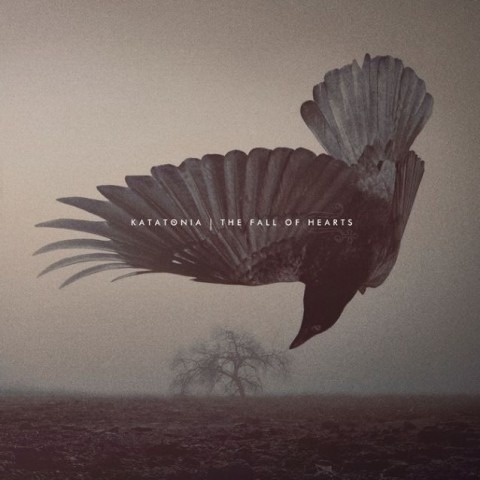
As of now, Katatonia’s ventures into progressive territories have never gone further than they did on The Fall of Hearts. The numbers say it all for once: 67 minutes stretch out 12 songs to a creative breaking point, whereby the notion of Katatonia’s essence gets brainstormed and spitballed until only a scattered smear of Scandinavian melancholy remains. Some of the softer textures may have been encouraged by a positive reception to Dethroned & Uncrowned, the largely acoustic version of the songs from Dead End Kings, and that can be seen in the tenderness shown during “Old Heart Falls”, “Decima”, and “Pale Flag”. On the other hand, other textures certainly come into play, such as an increasing tendency to use Tool-esque polyrhythms and djent guitar signatures, while some spectacular guest solos from Roger Öjersson preceded his addition to the line-up proper. For many artists, the resulting multitude of styles might be called sprawling – with the ever-relaxed and emotive Katatonia, it feels meandering.
Although obviously a celebration of the richness of talent available to the band, the Swedes sometimes lose sight of song and album flow, meaning that highlights and downtime intermix unevenly. Longest cut “Serac” seems to drop out of orbit in its middle stages, and “Residual” sums up the frustrating aspect to The Fall of Hearts by veering away from its initial structure to indulge in bubbling circles of hand drum and guitar buoyancy that come to no certain conclusion. Let that not indicate a poverty of ideas here: “Serein” and particularly “Last Song Before the Fade” have majestic choruses backed by more than ordinary riffing, “Takeover” and “Passer” respectively begin and end the album with more vitality than elsewhere, and numerous diverting moments with electronic or textured guitar explorations provide a lasting depth over dozens of listens. The main difficulty that persists, however, is the lack of cohesion across the broad area of the album, as well as a nagging feeling that Katatonia momentarily lost sight of their own identity.
#8 Brave Murder Day (1996)
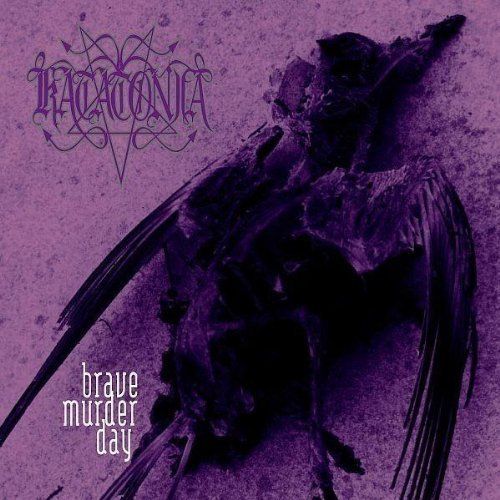
If Dance of December Souls showed a mastery of conventional doom death atmosphere, sophomore album Brave Murder Day was the proof that Katatonia would keep evolving and experimenting for years to come. Heavily influenced by the British shoegaze scene and uncertain about the band’s future, the murky aesthetic and penetrating new riffing style continues to mark this release out as an oddity even a quarter century later. Particularly on the 3 opening songs that combined produce the album title, extreme repetition of single notes and chords evokes the same awkward fascination as staring at the dead bird on the cover, a sort of mute horror drilling down through the top of your skull as the monotonous pace rolls on. “Brave” and “Murder” use a much denser sound than anything typical of doom death, especially with moments of rushed mid-pace, while countering guitar parts stir up creepy atmosphere within the momentum.
The key marker of change on Brave Murder Day lies in its odd song, the dreamy electro-pop number “Day”. Actually the only one of the 6 songs that Renkse sang on, his drifting clean vocals offer the same kind of melancholy introspection as the softer guitar parts on “Endtime”, although “Day” is a stylistic mismatch for the heaviness elsewhere, particularly the more typical doom death riffing of the following “Rainroom”. The bulk of the vocals were provided by Opeth’s Mikael Åkerfeldt, a close friend of the band, and stay largely backgrounded in a muffled harsh roar. Adding to the difficult circumstances of having a guest singer, no mastering was done until the 2006 re-release. Perhaps because the emotional energy of the album is played down against its uneasiness, Brave Murder Day packs less of a punch to the memory than Katatonia’s other early work, though the unique style is well worth your time.
#7 Night Is the New Day (2009)
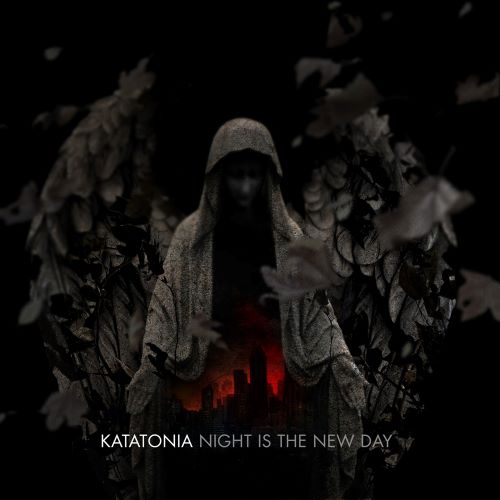
As a Katatonia album with the bulk of tracks written by Renkse (Nyström contributed “Idle Blood” and collaborated for “Forsaker” and “Onward into Battle”), the introspective feel and more textured sound of Night Is the New Day seem a natural result. Since Last Fair Deal Gone Down, a growing proportion of tracks had balladic qualities, which here extends to the major features of “Inheritance”, “Idle Blood”, “The Promise of Deceit”, and tender closer “Departure”. However, calling these numbers ballads would be a stretch of the imagination, playing more like heavily textured electronic dreams operating based on a new vision of The Cure with neater hairdos. The strong presence of keyboards and processed beats provide most of the lushness about these cuts, which – along with some hefty jarring tech metal riffs – contrasts Renkse’s more human delivery nicely. The darkness of the cover art seems almost at odds with the relaxed moods found within.
All the same, Katatonia did not forsake heaviness on Night Is the New Day. Rather a shock after a decade’s gap, the scraping doom riffs that lead “Nephilim” on its lumbering way represent the darkest point on an often tense journey. The sumptuous use of electronic effects and palm-muted riffing that builds “The Longest Year” from leisurely verses into panicked chorus realization make it a definite highlight, while the hooks of “New Night” and “Forsaker” rely on timing and rhythmic complexity as much as ever before. As with the albums on either side though, not that many moments arrest with the heat of passion, and that’s the greatest weakness in the case of Night Is the New Day – just dropping short of being arresting and essential.
#6 Discouraged Ones (1998)
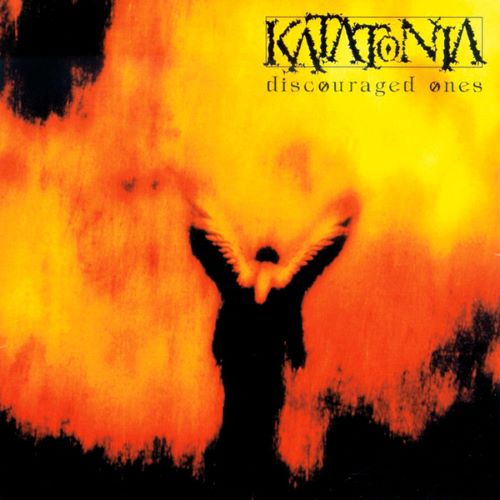
Not quite done with their shoegaze obsession, Discouraged Ones nonetheless represented a massive transition for Katatonia. Totally abandoning the convoluted structures and melodic doom death riffing of their early period, they were now placing the same mournful atmosphere within downer rock songs, translating many of the techniques from Brave Murder Day into a more accessible framework. Key to the change was Renkse’s reinvention as a clean vocalist: his tearful delivery had none of the flexibility it would later accrue, but fitted the numbed aesthetic of the simple granular riffs to produce a limpid pool of depression. Indeed, difficult times for the singer inspired many of the lyrics to take a more haunting, everyday turn – just listen to the lonely verses of “Deadhouse” or the truly catatonic mumbling of “Saw You Drown” for some of the hardest-hitting emotional cuts.
Aside from establishing much of the pattern for later Katatonia albums, Discouraged Ones also emphasized how the band would never write 2 songs the same. From the pop rock orthodoxy of “I Break” and the obvious influence of The Cure on “Last Resort” to the grungy grinding riffs of “Nerve” and the drifting doom rock of “Distrust”, all the uncertainty and isolation and meds combined in a collage of alternative sounds and disaffected – indeed discouraged – thoughts. Discouraged Ones may not be Katatonia’s most brilliant album, nor is its extreme glumness even slightly commercial, but it definitely paved the way towards the modern form of the band.
#5 Last Fair Deal Gone Down (2001)
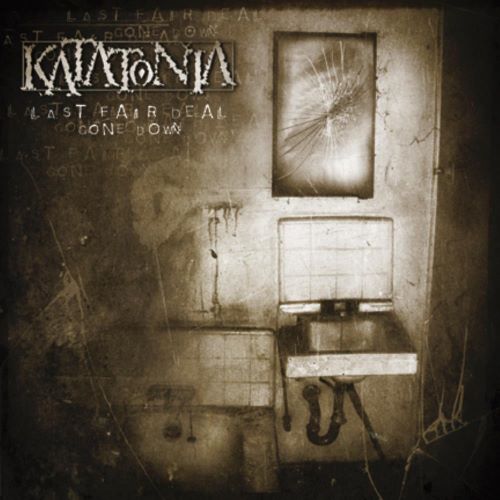
Truly rid of all their doom influences, Katatonia were on a high for Last Fair Deal Gone Down. The first time they had entered a studio with a full recording line-up, the Swedes sounded more dynamic and lush than ever before. Although not actually as varied as the preceding Tonight’s Decision, this fifth full-length boasts more intricate details and calculated contrasts while moving on again from desperate bipolarisms to elegiac nostalgia. Imagine harrowing line drawings turning to smoother watercolours. Thematically, Renkse began to turn his pen to specific snapshots, not only in the poetic brilliance of simile found in “Chrome” (“I am slightly shocked by how things can keep going, like a dead man’s clock”) but also the way that whole lyrics become vignettes, such as the drowsy bedside storytelling of “Sweet Nurse”. Often, these songs strike as hymns of recovery, either literally as “Clean Today” explores first steps back on the street or musically with the pristine double-tracked chorus that makes “Don’t Tell a Soul” the perfect closer.
The most endearing trait found in Last Fair Deal Gone Down is its feeling of otherworldly comfort, which still stems from the dislocation of Discouraged Ones yet now seems to be embraced in a kind of morphine haze. Texturally, the album plays cleaner, vocals and guitar often stretching out in languorous shapes while minor electronic backing and keyboards frequently appear, not to mention a few real solos. In fact, the floating sprawl of the introductory lead to “I Transpire” seems even to contain a hint of whale song, and the mood is not far from elegant post-rock on this track. The excellent replay value of Katatonia’s fifth album is slightly undercut by a small percentage of sub-par songs, namely the aimless “We Will Bury You” and disorderly “Passing Bird” that represent the first tendencies towards filler in an otherwise exemplary discography. Really more a thoughtful rock album than any species of metal one, Last Fair Deal Gone Down nonetheless remains essential listening for all Katatonia fans.
#4 City Burials (2020)
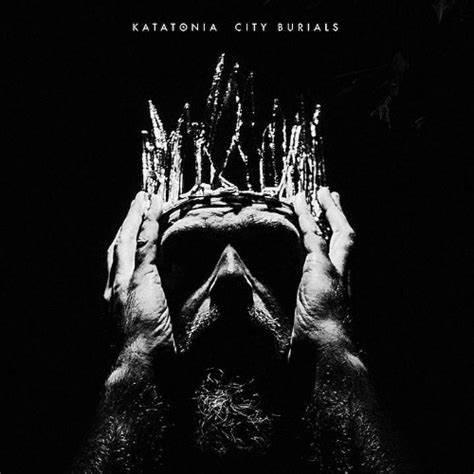
Although Katatonia took a brief hiatus after completing touring for The Fall of Hearts, an eleventh album always looked likely, and indeed City Burials came not quite 4 years after its predecessor. Now with Roger Öjersson as a permanent member of the line-up, some may have expected the addition of a lead guitarist to signal a transition towards heavier material once more, but the Swedes once again refused to conform. As a first single, “Lacquer” shocked fans with its sparse electronic moods that slowly unfolded a tender heart and lyrical poetry, while “Behind the Blood” set the record straight by opening with a burst of emotive rock shredding, as well as a more exuberant mood. The full-length itself showed remarkable restraint considering the excesses that had come before, completing 11 songs in under 50 minutes and applying hooks to many of them, not least “Behind the Blood” and snappy third single “The Winter of Our Passing”. Although not quite worthy of being called a pop release, toning down the compositional intensity means that City Burials is one of only a couple of Katatonia releases that abuts the mainstream.
Impressively, the five-piece still cover plenty of ground, as shown by the advent of “Heart Set to Divide”, which commences the album fully focused on Renkse until the band come crashing in with an uncharacteristic – yet entirely fitting – upbeat riff. Building up to the first chorus over an extensive 3 minutes, the opener indeed feels epic in a manner that the sprawling songs on The Fall of Hearts never could. However, intimacy runs deep too, the fragile duet with Anni Bernhard that is “Vanishers” mirroring the breathy closeness of “Neon Epitaph” and “Untrodden”, even if the swooping solo of the latter takes it away into the distance as well. City Burials perhaps feels a touch stronger than it really is as a result of working out a lot of the issues Katatonia had over the previous few albums, reining in technicality and misfit ideas to produce a tighter set of songs that show a band still hungry for something else.
#3 Dance of December Souls (1993)
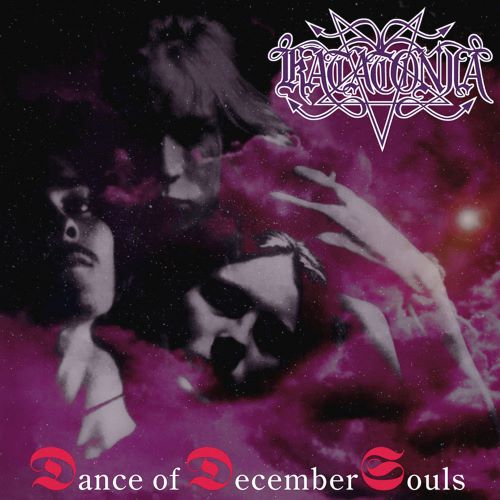
Recorded and mastered in just 5 days by the trio, Katatonia’s debut is one of the great doom death releases of the early ‘90s. With Bathory’s epic scope a large presence over this set of long songs and the band playing almost entirely slowly (Renkse had struggled with the studio drumkit on the demo, which led to dropping faster sections), Dance of December Souls crawls wounded out of its lair in the woods and crafts painful magic throughout. Certain features stem from youthful inexperience, such as the strangely soft guitar tone caused by Nyström applying delay and distortion in the wrong order, the tragically poetic lyrics, and Renkse’s graphic vocal performance, which resulted in the loss of his harsh singing voice. Indeed, listening to his first prolonged scream on “Tomb of Insomnia” one can hear him reach the edge and slip into pure tortured cry. Nevertheless, this weird concoction produced spellbinding atmosphere that balances between the beauty and smoothness of the often clean, melodic riffing and the staggering struggle of rhythms and vocals.
Each of the 5 main compositions are winners, from the soul-tearing anguish of “In Silence Enshrined” to the circular riffing of “Tomb of Insomnia”. The band’s interest in black metal peeks out from behind the doomy tempos and occasional gruffer riffs, mostly in the form of references to bleak nature in both the more varied sound and picturesque lyrics of the stunning 14 minute “Velvet Thorns (of Drynwhyl)”, plus the more obvious sentiments of the very memorable “Without God”. Note that Katatonia were still using pseudonyms at this point too. Despite – or perhaps partly due to – the numerous oddities surrounding Dance of December Souls, the album is the true classic of the Katatonia discography and remains hugely acclaimed in the underground. However, the Swedes would go on to drastically alter their sound and mature in compositional ability, making this a monolithic achievement yet not at all a summation of Katatonia’s talents.
#2 Viva Emptiness (2003)
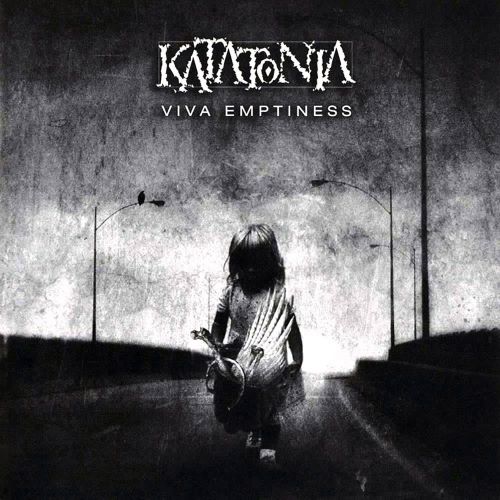
The expansion of Katatonia’s sound really came to fruition with Viva Emptiness, adding a progressive touch to the texturing and songwriting know-how seen on the preceding release. Remarkably for a 13 song album, every cut is discernible and intriguing, from the dragging melancholy pop of “One Year from Now” to the rollicking chorus of “Complicity”. Again, much of the growth achieved over the 2 years surfaced in detail and nuance, surely a result of the five-piece spending time as a touring unit. The transitions that switch “Criminals” to scrambling climax from pensive storytelling and “Sleeper” between rolling momentum and dreamy psych arrive almost out of the blue, Daniel Liljekvist’s drumming offering power and spontaneity that prevents even the most soothing songs from falling flat. Besides the rhythms ranging wide, the guitar duo experimented with acoustic sounds, effects pedals, and numerous riffing styles in a thoroughly open-minded manner.
Where Viva Emptiness represents yet another turning point in the Katatonia saga is mostly down to the massive variety. Listeners who react to the visceral swirl of riffing as “Burn the Remembrance” swings out on its bizarre orbit will probably not be able to sit still for the tepid verses in “Wealth”, since it would be like playing nursery rhymes to please a Hawkwind crowd or, alternately, giving acid to pre-schoolers. This means that Viva Emptiness marks the watershed where a certain kind of Katatonia fan got off the train for good, perhaps disenchanted by the multiplicity of styles and missing the more lamenting, introspective music of before. However, for those still on board, very little regarding the artistry of these 53 minutes can be complained at, particularly as the wildly fluctuating intensity and technique still manage to produce a set of forward-thinking songs between 3 and 5 minutes long. Technical, progressive, catchy, emotional, heavy – that’s quite an achievement.
#1 Tonight’s Decision (1999)
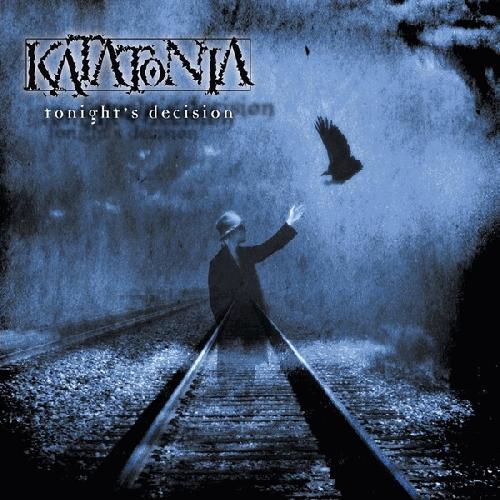
It’s never stated so explicitly, but the decision referred to is most probably suicide or life. The references on the track “I Am Nothing” hit painfully close to the truth of the title, Renkse morbidly intoning, “I remember one of my friends telling me to go ahead” from out of the numbness of exhausted depression. What makes Tonight’s Decision a truly remarkable album, however, is the quiet sense of victory and hope dwelling behind the often foreboding tone and themes of the songs. While the previous couple of releases were respectively a contingency and a compromise, Katatonia really took up the challenge of converting their misfortunes into something beautifully crafted on this fourth full-length. Stepping out the shadow of his drumkit and allowing Dan Swanö to lay down the beats in his place, Renkse spread his wings as a vocalist and began the process of mastering his natural instrument. With sonorous low croonings, uncanny double-tracked atmospheres, powerful bursts of emotion, restrained doubtful murmurings, and occasional surprises like the high notes during “In Death, a Song”, Katatonia’s vocalist expanded the already varied range of the music to previously unimagined vistas.
The entire feel of Tonight’s Decision sits on the edge between broad possibility and the sudden cutting off of that possibility. Quiet moments tend to be the uneasiest as if contemplation itself is a danger, then nagging riffs frequently jolt into the picture, only for sparkling melodies to take over and thoroughly confuse the listener’s emotions as the ghosts of hope burn ever brighter. These fabulous contrasts turn up time and again, marking “Right Into the Bliss”, “Strained”, and even a cover of Jeff Buckley’s “Nightmares by the Sea” dazzling the listener with sunlight when they seemed to have reached a nadir. “In Death, a Song” is particularly a burst of melancholy optimism that marks Tonight’s Decision as much as “Day” on the sophomore album, yet every song offers something new and captivates with intriguing ideas and textures. When the time came to choose, Katatonia decided on life.
