
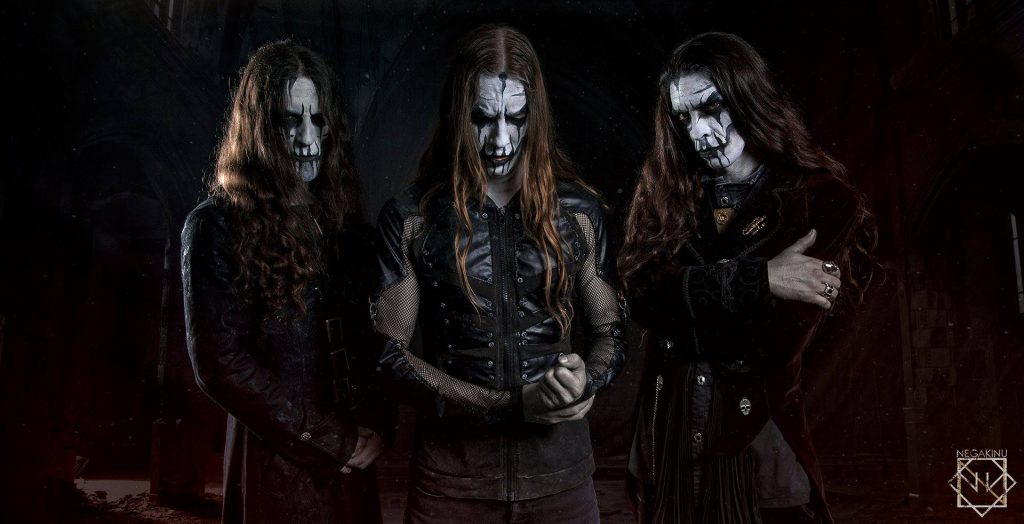
Join us for another shredding feature, as we dive deep into the five lugubrious albums of the Dutch crowned masters of horror from Carach Angren.
Black metal may be known as a Norse specialty, but it so happens that what today is one of the scene’s most outstanding acts comes from the friendly, green, politically correct plains of the Netherlands. Active since 2003, the spook trio that is Carach Angren has branded and developed an iconic and original take on the genre, one that showed a consistent capacity to adhere to black metal prototypes accompanied by zero intention to do so. Proving themselves as one of the most eclectic bands in the scene, the Dutchmen’s sound has been more accurately described as “symphonic black metal” or “horror metal”, which already hints to what it is that makes them unique. There’s a strong symphonic component to their music, which even grew increasingly cinematic over time, and often has them placed alongside Dimmu Borgir, a comparison that I can’t seem to digest. Their sound is further characterized by unconventional dynamic structures, the use of the keyboard as a leading instrument, and of course Seregor’s shrieky snarly and skeletal vocals that are surprisingly intelligible given the style of music.
However, the X-factor which places these distinguished gentlemen on ground shared by none of their peers is their love for horror stories and myths that are the centerpieces and concepts of their albums. This makes Carach Angren the only band to fuse musical storytelling into the rugged backbone of black metal. So, if you find yourself ready for a good fright, delivered by the finest purveyors of story-driven heavy music, then read on, as we venture into their dark, theatrical universe and spotlight each of these fine gems.
#5 – 2015 – This is No Fairytale
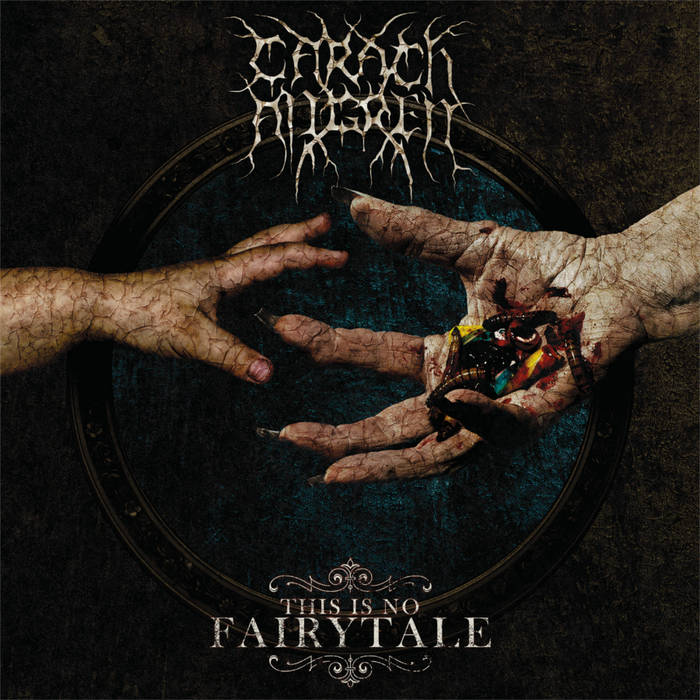
Definitely one of the more riff-driven records, the band’s fourth outing “This is No Fairytale” packs a really solid punch. Filled to the brim with fast intense drums and frantic guitar lines, it’s a real roller coaster musically and probably the least lo-fi of the five. Particularly the drum sound gets a distinct metallic edge, most easily felt on the cymbal work. The symphonic and melodic elements are as present as they were up until this point but seem to impact and engage the listener less, as the record’s fast pace and somewhat chaotic structure steals the spotlight. This is also perceived in the storytelling aspect, which is where I feel this album loses most points. The constant stream of quickly unfolding events makes it difficult to keep up with the storyline and the subject of the story itself is not quite as inspired as that of the previous three records. Depicting a modernized and perverted take on the fairytale “Hansel and Gretel”, the band sets the stage for their most brutally explicit record to date, which feels like it aims to shock in the vein of a cheap American horror movie. As a result, the mysterious feel of the previous records is lost, but instead the band really throttles on the theatrical element, to the point where Seregor seems to play a role himself, as an almighty entity with limitless power over his characters, and he’s so not kind to them. The first half of the record is definitely the more memorable part with the opening title track furiously blasting out of the speakers, followed by the multifaceted “When Crows Tick on Windows”, probably the best track on the record. The following “Two Flies Flew into a Black Sugar Cobweb” is definitely a highlight as well, with some perfectly executed theatrics that seem ripped straight of the “It” movies. With the following songs the record starts to slack as the shock effects become redundant and the narrative and musical flow gets compromised by the hectic approach. Thus concludes the band’s most disputed record to date. Definitely not a bad album, but probably not a fan favorite, and considering the stellar standards that Carach Angren achieved on their other albums, “This is no Fairytale” takes the low end of the list.
#4 – 2010 – Death Came Through a Phantom Ship
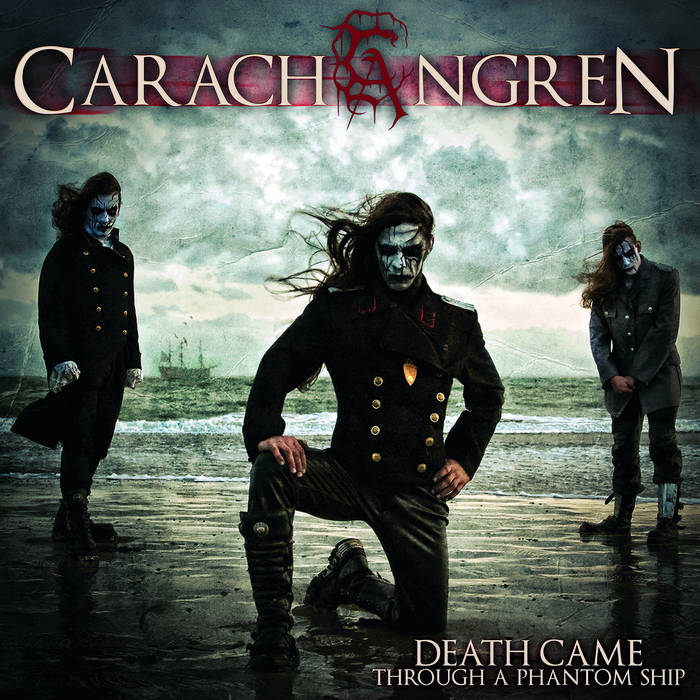
Travelling five years back in time, the band’s second effort easily embodies a mystical feel and a more organic sound. Following the myth of The Flying Dutchman, this record captures an immersive nautical feel, through one of the band’s more melodic approaches. The keyboard melodies play a big role in conveying the atmosphere. The riff structures are intricate, dynamic and unpredictable and the classic black metal drumming from the debut evolves into a more intricate style, one that birthed Namtar’s trademark skeletal strums and triggered feeling, which is the main factor responsible for the groovy side of the record. This rough edge is kept in sync with the atmosphere and the guitars also provide lead melodies. The sound is one of the more lo-fi of the bunch, and focusing on the melodies, it strikes less impact than the band’s more riff driven albums, but still has a consistent flow of adrenaline, and due to the mad nature of the main character, it sure expresses some ghastly emotions. The story is the easiest to follow of all the band’s records, focusing on a single character, captain Van der Decken, and his poetic dehumanization. This also shows the band’s first developments of the theatrical feel, as Seregor steps into his main character repeatedly through the record, also providing nicely fitted Dutch lines. I like how the story is structured starting with a sighting of the ghost ship and its consequence macabre, following a traceback to how the cursed vessel came into being. The opening track “The Sighting is a Portent of Doom” is one of the most memorable songs in the band’s discography and the groovy “Bloodstains on the Captain’s Log” brings a beautiful array of pirate motifs to the table, still being the band’s concert closing track on their last tours. Finally, “The Shining Was a Portent of Gloom” is one of the most outstanding tracks in the band’s discography, closing the album with an air of everlasting tragedy, describing the Captain’s final fate to forever roam the seas. “Death Came Through a Phantom Ship” is undoubtedly the most poetic album in Carach Angren’s back catalogue, and would probably be at a higher position in many fan’s opinions.
#3 – 2008 – Lammendam
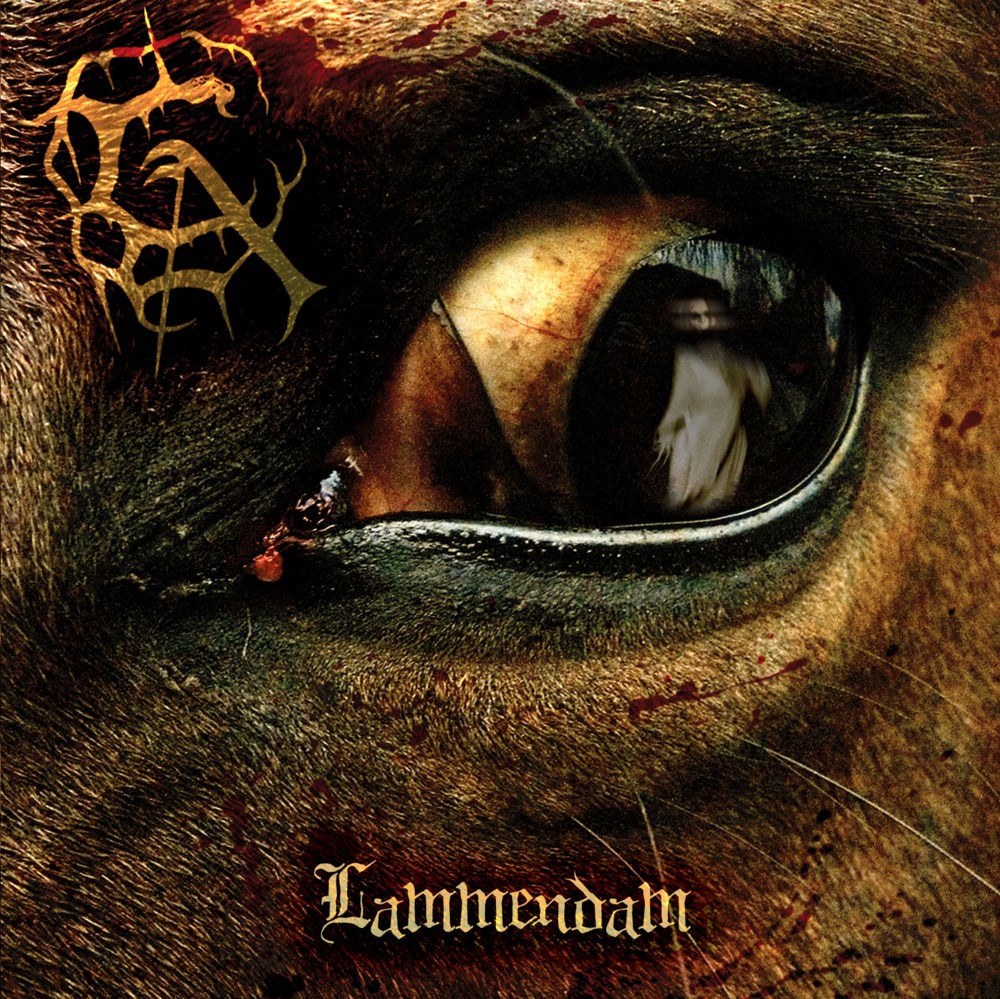
The band’s debut is the album that in all regards seems to go back to basics. It is closest in sound to traditional black metal, the narrative aspect is not as elaborate and the theatrics are just not there yet. That being said, the approach works wonders in creating what is the most genuinely scary album in the band’s discography. As all of Carach Angren’s albums include some element of ghost sightings, on “Lammendam” the poltergeist is at the forefront. Inspired by a less popular legend, this album has an aura of mystery and gloom that the band hasn’t equaled in any of their later work, focusing on the story of a young woman who died when her castle was mysteriously burnt down. Much like the second record, this one opens with a sighting of the ghost and then proceeds to start over the story of how the entity emerged. The point in the album where this happens is the macabre interlude “Hexed Melting Flesh” which I must spotlight as the most bone chilling moment in the band’s discography. The story in the album as well as in the legend has some missing pieces, which definitely builds up on the obscure feeling of the record and with less of a cinematic touch, it feels more like reading a book than watching a movie. And then there’s the music, which works in sync with the concept better than any of the other records. With the harshest guitar sound, traditional blasting drums and an organic feel, it has the most aggressive sound and the most engaging riffing. The keyboard again plays a very important role, creating the eerie mood, and alongside the alert pace of the vocals and drums, it really conveys this feeling of being watched or followed. I actually recommend listening to this one alone at night for the most intense experience. What’s surprising is that with all of this rawness, it’s still very easily tangible, the lyrics can be understood very often and no note ever slips unnoticed. For fans of more classic black metal it will definitely take pole position. Dare to step into the woods, and you may not return from Lammendam.
#2 – 2017 – Dance and Laugh Amongst the Rotten
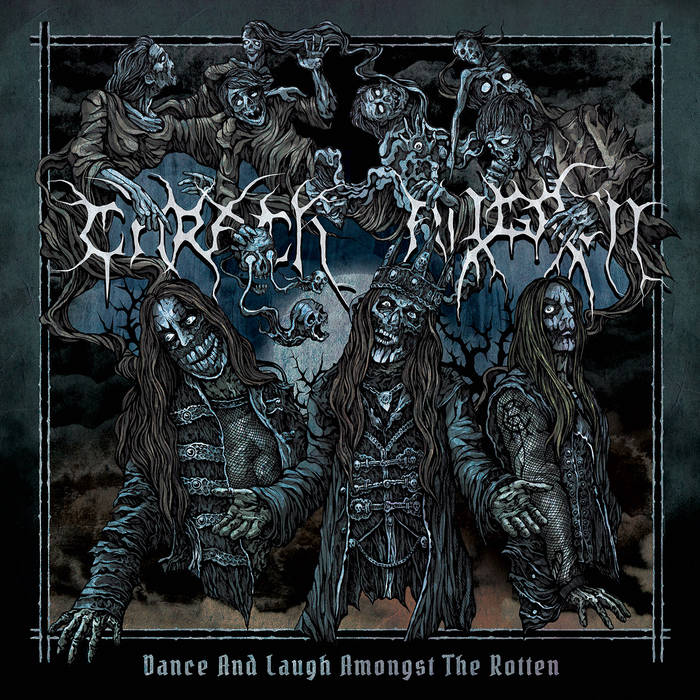
At the opposite chronological end, with a polar opposite style, the band’s latest record to date is easily the most accessible effort. It’s the most cinematic, most diverse musically, and least technical or aggressive of the lot. Ardek is in his element on this one, creating all sorts of symphonic soundscapes, from the piano melodies of the immersive “Opening” (my favorite album intro of the five) or “In De Naam van de Duivel” to the nearly epic soundscapes of “Charles Francis Coghlan” or the absurdly theatrical “Song for the Dead”. And besides these highlights, all songs have some atmospheric interlude where symphonic melodies can truly shine. The guitars still provide chunky riffs, more simplistic in structure yet often more memorable, and so Namtar’s drumming remains the most high-octane element of the entire sound. Seregor’s theatrics are fully developed, much like on “This is No Fairytale” only this time around they are also given a fitting context, and overall the vocals are also more flexible than on all previous work. And after 4 records with linear stories, the band decided to break the pattern, and this time around created a more complex universe, where multiple ghost stories, one per song, are brought together. The opener “Charlie”, and the three final tracks create a frame, in a sense that the ghosts depicted in each of the other songs are locked up in a “Pitch Black Box”. The concept goes as far as to include the listener at the end, so then the title makes so much more sense. And at last, I get to also applaud the band’s visuals. They always had a unique style of corpse paint and detailed outfits, but on this record, the visuals truly feel complete, which can easily be seen in the video for “Charles Francis Coghlan” that depicts both the band, the story of this song, and the surrounding concept of the entire album. While Dancing and Laughing Amongst the Rotten, I was actually very tempted to place this album at the top of my list…
#1 – 2012 – Where the Corpses Sink Forever
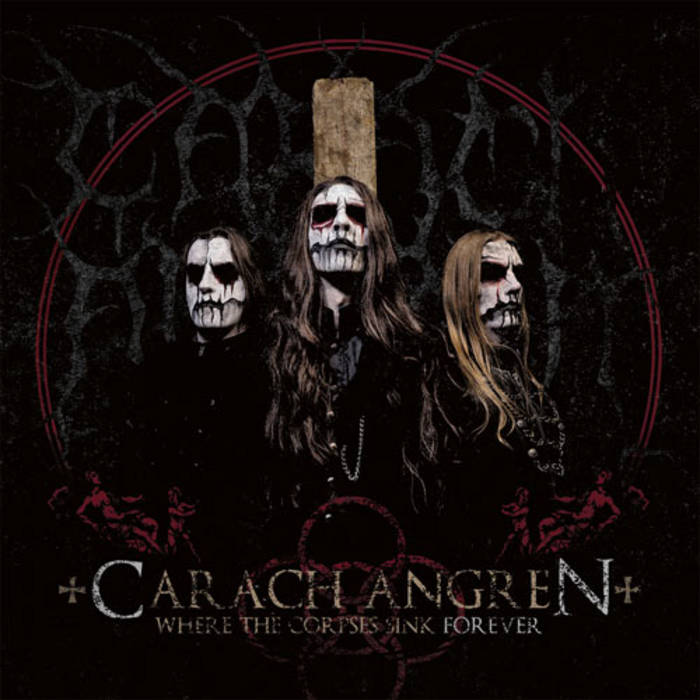
The Dutchmen’s triumphant third output, and the first to be released through Season of Mist, the ghastly and excruciating “Where the Corpses Sink Forever” stays the crown jewel of the band’s discography. Balancing everything that had been done on the first two records while hinting at what was to come, this is the undeniable magnum opus in the history of our renowned masters of horror, and the go to record for a synthesis of all that is Carach Angren. It has everything from the raw black metal feel of the debut, to the poetic aura of “Death Came through a Phantom Ship” and the first consistent samples of the explicit gore and cinematics that were to evolve later on. Furthermore, it has a linear story focused on one main character, that is brought through seven individual interconnected stories, slightly relating to the pattern of the last album. Once again, the guitar takes melodies into play, but also provides a corrosive growl of heavy riffage, and Namtar’s drums lead the songs through traditional black metal techniques but with the expected intricate structures and complex approach. The keyboard, as you’ve probably learned by now, has a dominant role, and on this record, it often shines alone but also creates a backing soundscape that is crucial in delivering the unique aura of tragedy and despair. Why such a bleak soundtrack? Because this time around, our most unkind storytellers are sending us down in the trenches. The war themed concept of this record focuses on a soldier that after executing seven prisoner gets caught in a time loop, forced to face the unending carnage of seven torturous visions of war. I think the reason why this album strikes so much harder than the others, is because the imagery of the concept no longer belongs to myths and legends but is rooted in real world horrors. To express this, I find the texture of the instrumentals perfectly fitting, and Seregor’s lyrics and performance even more so. Once the entire package is wrapped up in the dramatic symmetry of the intro and outro tracks, the loop is complete, and the corpses sink forever.
…something wicked this way comes
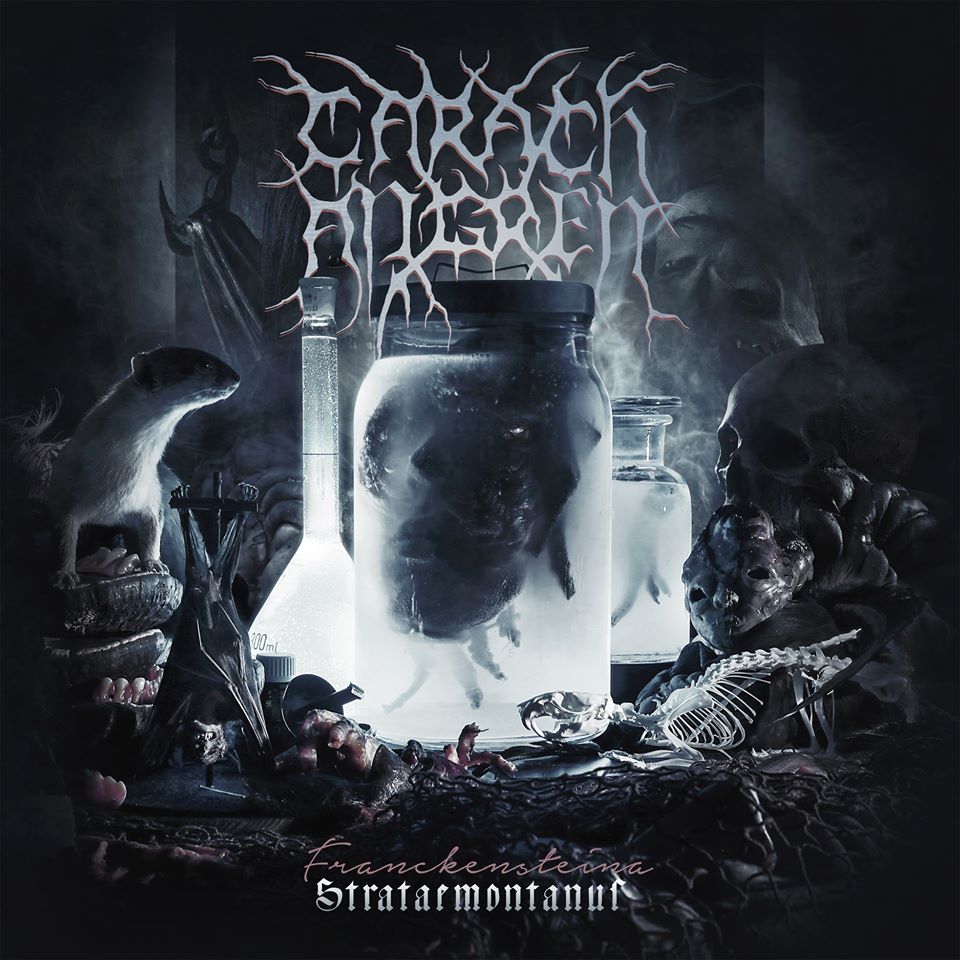
Much like the character of the previously described masterpiece, just when I thought my trial was over, I was greeted by yet another monstrous vision. It seems Carach Angren are determined to carry on haunting the globe, and a new tale under the title of “Franckensteina Strataemontanus” is set to reveal its horrors on June 26th 2020, through Season of Mist and Bandcamp. Following the departure of drummer and founding member Namtar from the band, the news is somewhat bittersweet, but nowhere near enough to compromise the hype. I’d like to invite all horror junkies to rejoice and revisit the fine gems delivered so far, in anticipation of the evil yet to come!
Enjoy!
