
Come September, I was already quite positive that 2020 would have gone down as a pretty shitty year for most of us. And just to leave no room for doubt, at the end of the month Anathema – one of my favorite bands of all times – went on an “indefinite hiatus”, citing the challenging state of the pandemic-ravaged music industry as the main reason for putting a (hopefully temporary) full-stop to their 30-year career. At The Metal Observer, we took this unfortunate announcement as an occasion to celebrate the works of this seminal band, by revisiting, reviewing and ranking – bottom to top – their 11 full-length albums.
Formed as Pagan Angel in 1990 around the nucleus of three brothers (Danny, Jamie and Vincent Cavanagh), Anathema’s beginnings are firmly rooted in the European doom-death sound that the band contributed to forge and define, together with countrymen Paradise Lost and My Dying Bride. Yet, already on their first full-length release (1993’s Serenades), it was clear that Anathema were a special kind of doom-death band – keen to experiment with catchy melodies, acoustic interludes, and even trippy 20-minute keyboard drones! These influences were steadily developed on the band’s subsequent albums (The Silent Enigma / Eternity / Alternative 4), where Anathema started to shred their doom-death skin in favor of a more melodic approach marked by prominent Pink Floyd influences. These influences eventually matured first into a form of dark atmospheric rock (Judgement / A Fine Day To Exit / A Natural Disaster), and later – after a seven-year recording hiatus – into a cinematic prog/post rock hybrid that will gain the band strong followings in progressive rock circles (We’re Here Because We’re Here / Weather Systems / Distant Satellites / The Optimist).
As it should be clear from the above, Anathema have gone through so many phases and styles in the 30 years of their career, that it is going to be quite tricky to compare and rank their releases – early albums like Serenades and The Silent Enigma having very little in common with later releases like Weather Systems and Distant Satellites. Invariably, what comes at the top or bottom of one’s list partly depends on when one has first “stumbled upon” the band, in their doom-death beginnings (which many consider the only true “metal” phase of the band), in their atmospheric rock mid-period, or in the progressive phase of the 2010s. With that in mind, let’s see where I stand on the matter!
#11 – SERENADES (1993)
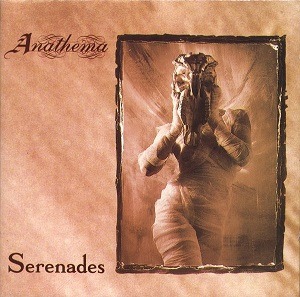
Released in 1993, Anathema’s first full-length is a raw album that bears the stigma of the doom-death sound the band contributed to define, but at the same time it reveals Anathema as a dynamic, forward-looking act, eager to push the boundaries of the genre and to experiment with different influences. Amidst sluggish tempos, growl vocals and thickly distorted twin guitar riffs, the band introduces delicate acoustic interludes with female vocals (“J’ai fait une promesse”), dark, gothic affairs that are disturbing but at the same catchy and accessible (“Sleepless”) and even a 20-minute long experiment with drony synths and ambient music (“Dreaming: The Romance”). Perhaps inevitably for a debut album, the eclectic ambitions of the band do not quite match the quality of the songwriting and production, and as a result the album feels a bit too unfocused. It is nevertheless a more than decent debut, containing a handful of impressive tracks (“Sleepless”, “Sweet Tears”, “J’ai fait une promesse”) that still today I rank highly in the band’s 30-year discography.
#10 – DISTANT SATELLITES (2014)
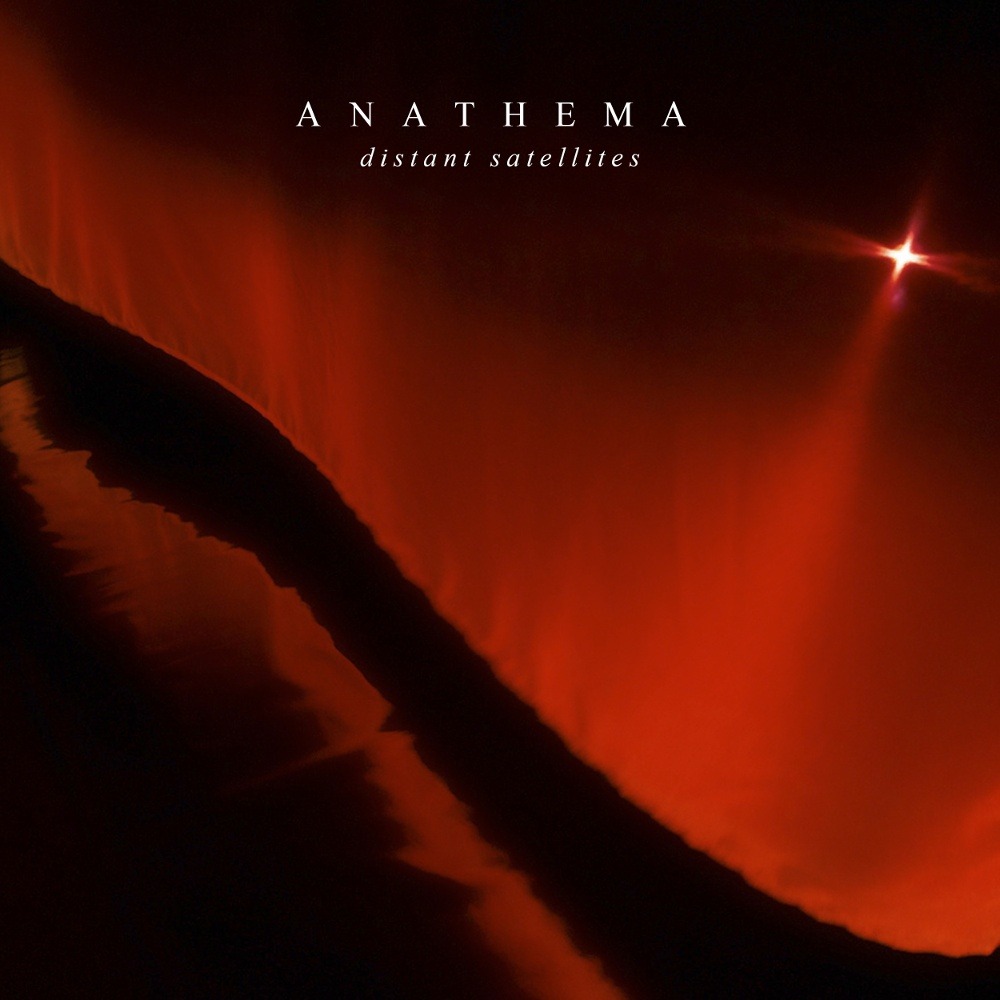
Distant Satellites was a disappointment for me, especially given that it was released on the coattails of a strong album like Weather Systems. Alas, perhaps therein lies the issue: Distant Satellites sounds very much like a continuation of Weather Systems, albeit less inspired and generally weaker in the quality of its compositions. Although the album has all the elements that made Weather Systems great (cinematic compositions that build slowly towards cathartic finales, lush orchestral arrangements, big melodies, and strong vocal performances by Vincent Cavanagh and Lee Douglas), one gets the nagging impression that Anathema might have just started running out of fresh ideas and tried to recycle the winning formula of the previous couple of albums, without reaching the same levels of quality or consistency. The album is partly redeemed by some interesting experiments with electronica (on the title track, for example) and by the opening duo “Lost Song Pt 1” and “Lost Song Pt 2”, which are by far the strongest tracks on the album.
https://www.youtube.com/watch?v=qYvHFNsy3ok
#9 – THE SILENT ENIGMA (1995)
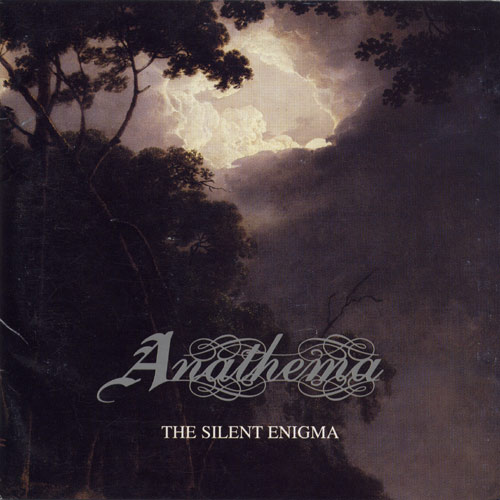
Only two years have passed since Anathema released Serenades, but The Silent Enigma is already a rather different beast, showing that Anathema are ready to leave behind the doom-death sound of their origins. Serenades had already shown traces of more melodic influences, and The Silent Enigma moves a further step (or two) in that direction: the songwriting becomes more accessible, the riffs and melodies are catchier, and the tempos are not as oppressively slow as on Serenades. These melodic influences are better amalgamated within the doom-death sound of the band compared to the debut album, and as a result The Silent Enigma is a much more assured and cohesive album than Serenades. And then there is “Restless Oblivion”, which is still today one of the best tracks the band has ever released. The Silent Enigma is also significant because it is the first album featuring Vincent Cavanagh behind the mic (replacing original vocalist Darren White). This will be a decisive move for Anathema: Vincent is a far superior singer than Darren, and his clean, deep, melodious voice will be pivotal for the development of the band in subsequent years.
#8 – WE’RE HERE BECAUSE WE’RE HERE (2010)
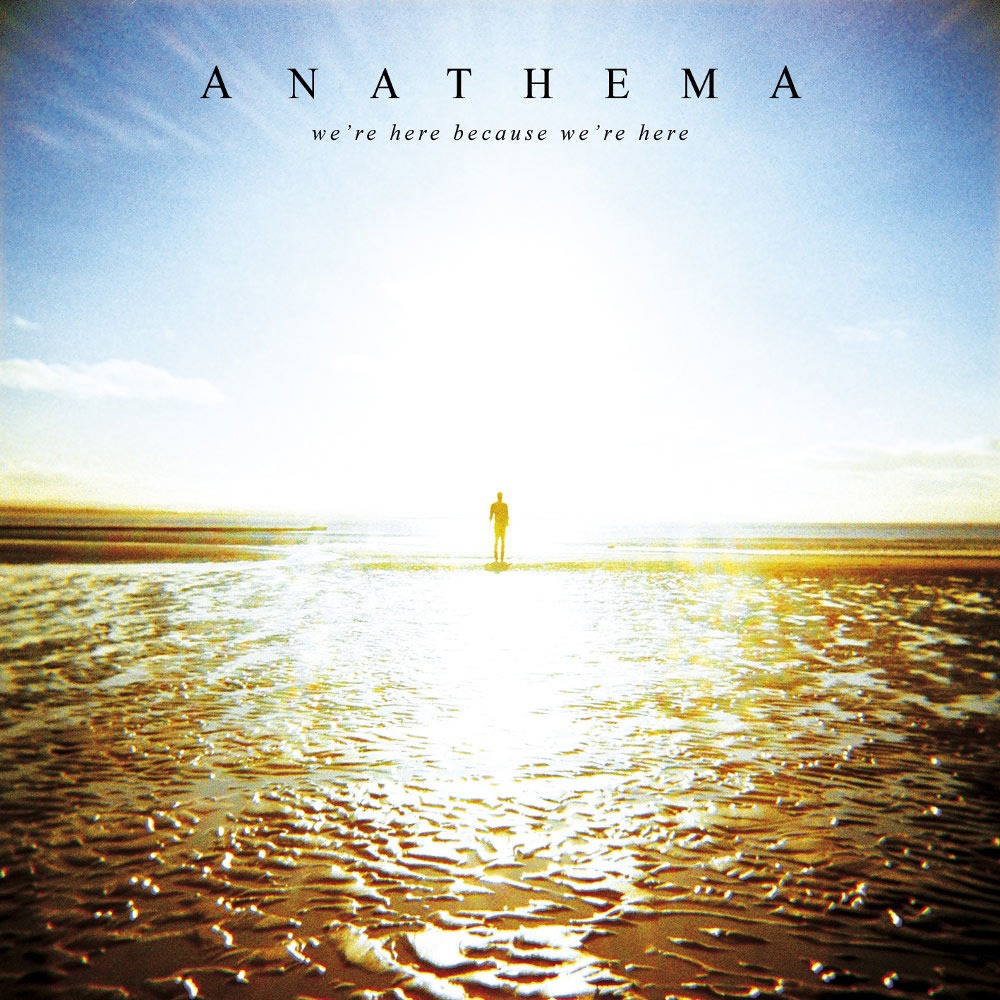
After 2003’s A Natural Disaster, Anathema slipped into a weird phase of their career, where they continued to play live shows and write music, but without officially releasing any new songs for a whole seven years. Therefore, there was great excitement when the band announced the release of We’re Here Because We’re Here in 2010. Packed with VIP guests – from Porcupine Tree’s Steven Wilson behind the mixer to HIM’s Ville Valo on backing vocals – and sporting cinematic orchestral arrangements, WABWAH is the classic album that screams new beginnings. And, indeed, there are plenty of novelties on display. The album is much brighter and lighter than anything the band had released up to that point, also thanks to the spacious orchestral arrangements and Steven Wilson’s dry and clean mix. The songs are built around big, powerful melodies that develop into richly emotional climaxes. There is also a dramatic shift in the lyrical themes, which revolve around life-affirming statements of rebirth and renewal. It’s a bold move from a band who has constructed its success on melancholia and pessimism, both during their doom-death days and in their subsequent atmospheric rock phase. The album contains some very strong tracks, like opener “Thin Air”, a masterpiece in dynamics that becomes an irresistible fist-pumping sing-along in its second-half. Likewise, “Angels Walk Among Us” and its organ-driven coda “Presence” are beautiful meditations about life after death. However, there are also some weaknesses. The songwriting tends to be a bit too static, with many songs based essentially on the same slow-build-to-climax formula. Moreover, there is a sensible dip in quality in the second half of the album. Nevertheless, even if WABWAH is far from perfect, it remains a worthy addition to Anathema’s catalogue and an unmissable gateway to the “progressive rock” phase of their career.
#7 – ETERNITY (1996)
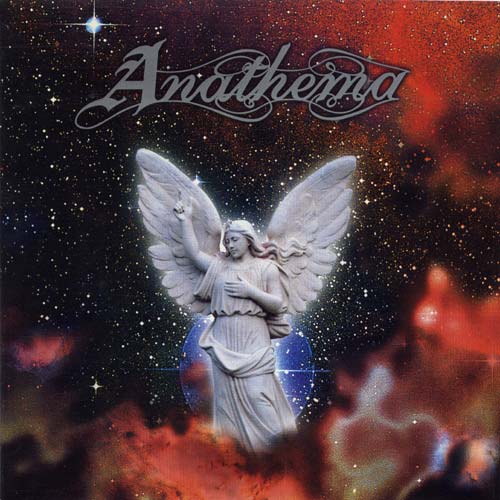
If already on Serenades and The Silent Enigma Anathema had shown traces of an evolution away from their doom-death origins, Eternity is where these tentative developments blossomed into a whole new sound that will form the point of departure of all subsequent Anathema’s releases. With a leaner songwriting, prominent and unapologetic Pink Floyd references (including a cover of the Gilmour-penned “Hope”), and a shift towards more melodic singing, Eternity is truly a seminal album, not only in Anathema’s career, but also in the development of progressive metal more generally. The new sound that Anathema created on Eternity will in fact go far: on this album Anathema laid the foundations of the dark progressive rock/metal style that will become a staple of the metal scene in the new millennium. In terms of listening experience, the album features some very strong tracks, but also some weaker ones. Generally speaking, the first half of the album is awesome, with strong tracks like “Angelica”. “Eternity Part I & II”, and “Hope. The album plods a little in its second half, before closing strong with the live-classic “Far Away”. Despite this unevenness in the song quality, Anathema’s third studio full-length remains a landmark in the band’s career as well as an iconic album in the doom and progressive metal scene.
#6 – WEATHER SYSTEMS (2012)
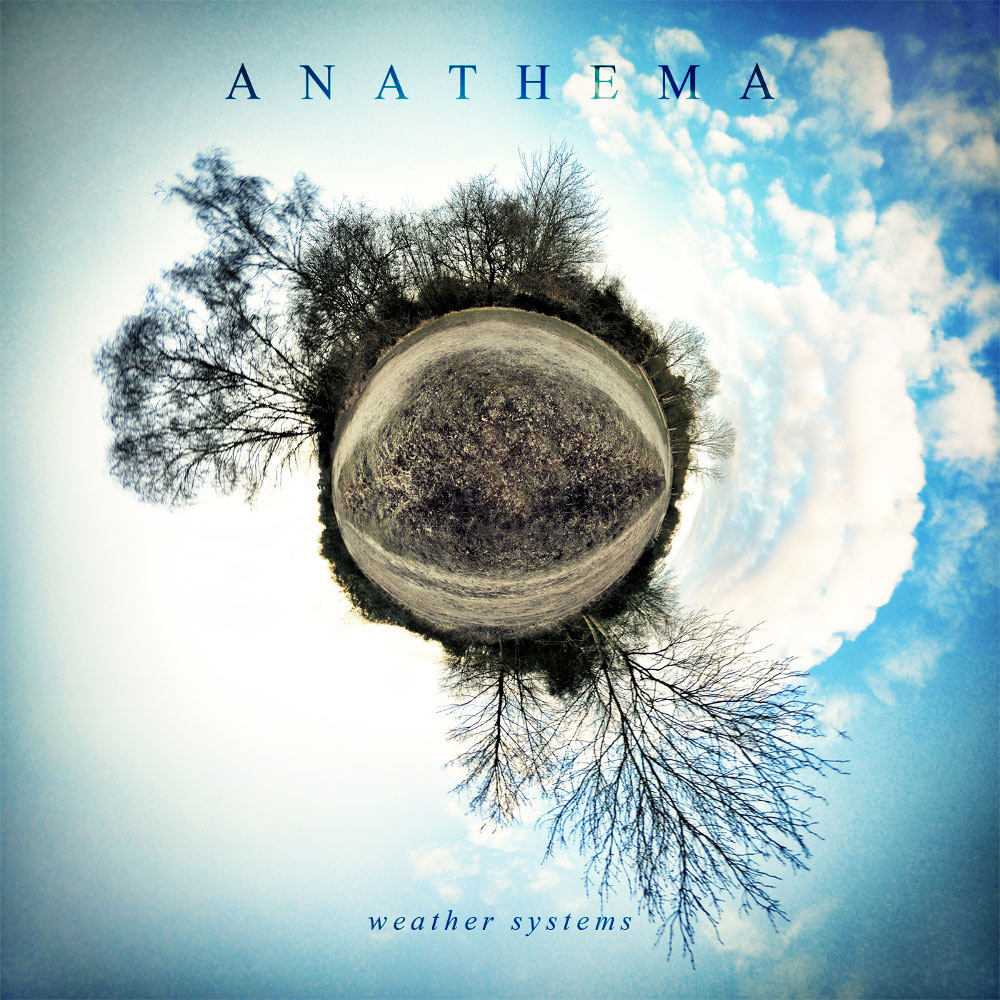
Released in 2012 as a follow-up to WABWAH, Weather Systems treads closely in the footprints of its predecessor, but it is a much more assured and convincing album. As WAHBWAH, Weather Systems also features spacious songs based on big, uplifting melodies that unfurl slowly through long crescendos. The lyrics are still positive and life-affirming, although some of the darkness of previous albums seems to seep back in on songs like the “Untouchable” suite or “The Storm Before The Calm”. However, the most important aspect that distinguish Weather Systems from its predecessor is that the quality of the songs is generally higher than on WAHBWAH. The opening duo “Untouchable Pt 1” / “Untouchable Pt 2” is a fantastic pair of tracks: the idea of taking the main melody from “Pt 1” to rearrange it in a more acoustic, piano-based version in “Pt 2”, and placing the two tracks one after the other, is bold and masterful. “The Storm Before The Calm” is another stellar track, and so is the sinister “The Beginning and the End”. There are also some weaker tracks, though, and the slow-build-to-climax formula that is used nearly on every song of the album becomes somewhat tiresome after a while. Nevertheless, Weather Systems is probably the most accomplished release in the trio of “progressive post-rock” albums the band wrote between 2010 and 2014.
#5 – THE OPTIMIST (2017)
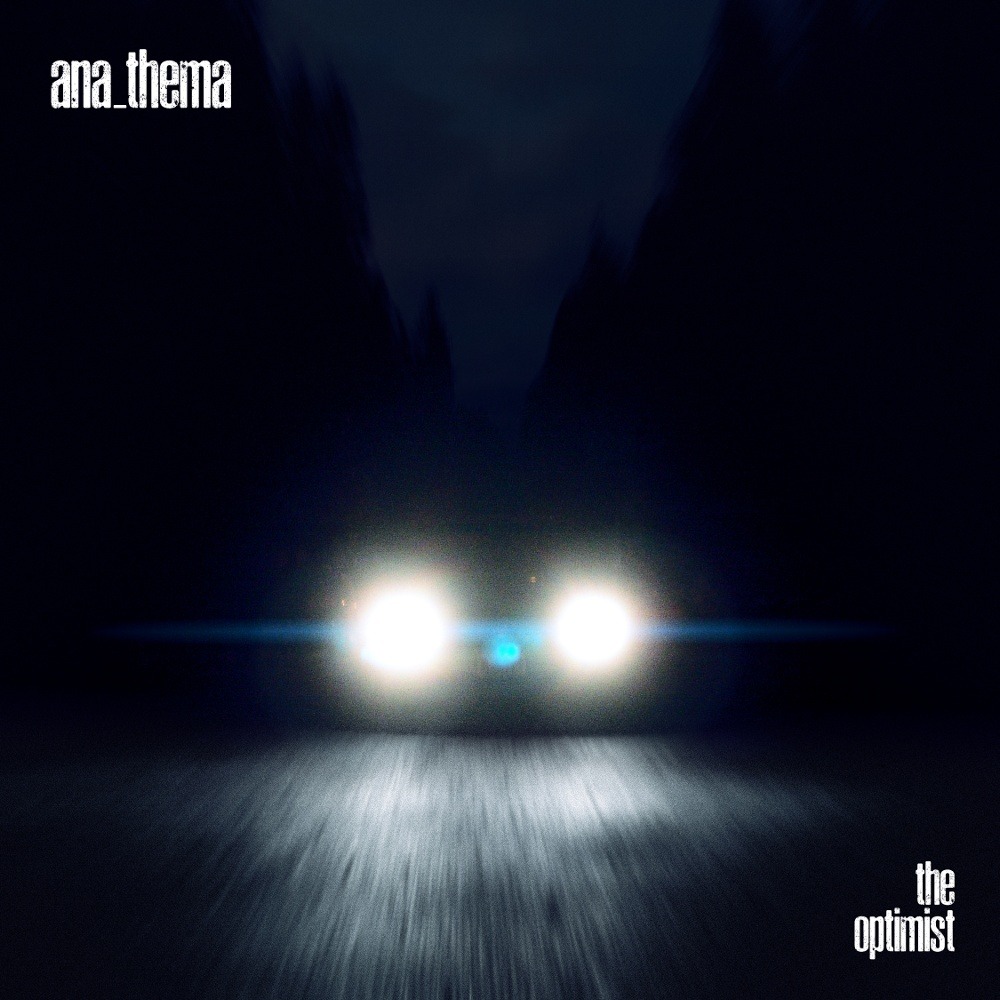
After three albums that treaded very similar musical territories, inevitably succumbing to the law of diminishing returns (WAHBWAH / Weather Systems / Distant Satellites), with The Optimist Anathema finally changed direction and wrote an album that is the point of union between the dark atmospheric metal of Judgement and A Fine Day to Exit, and the cinematic prog/post rock of their more recent releases. The connections with A Fine Day to Exit are particularly noticeable, given that The Optimist is actually a continuation of the concept story initiated on that album. The strength of The Optimist does not lie so much in its individual tracks (which, taken individually, are probably inferior to many of the songs on WABWAH and Weather Systems), but rather in the way the album flows throughout its 58 minutes, taking the listener on a musical journey that is more than the sum of its parts. The albums also marks a welcomed return to a sound with a tad more bite and darkness than the other 2010s albums – thanks to the heavier presence of the guitars and a reduction in the dose of big melodies and life-affirming lyrics relative to the previous three albums. There are nevertheless many points of contact with those albums – from the electronica of tracks like “Leaving It Behind” (continuing the experiments started on Distant Satellites) to the repeated use of dramatic post-rock crescendos. Overall, The Optimist is a strong album that brings a breath of fresh air into the band’s catalogue after three albums that were a bit too similar to one another. Although The Optimist does not reach the level of masterpieces like A Fine Day to Exit or Judgement, it is certainly a welcome return to form for the band, and possibly Anathema’s best record since A Natural Disaster.
#4 – ALTERNATIVE 4 (1998)
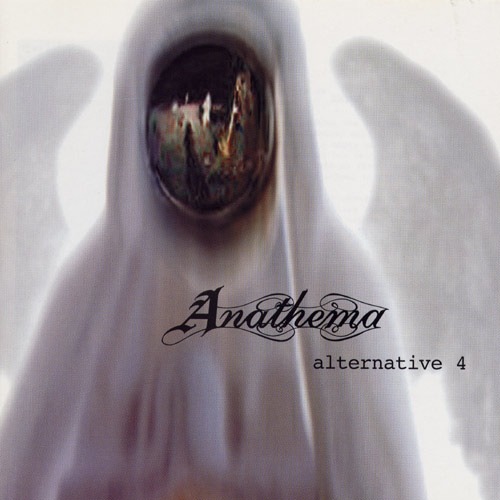
Released in 1998, Alternative 4 begins where Eternity – the band’s previous album – had ended: with a fascinating hybrid of metal and Roger Waters / Pink Floyd influences. However, the songwriting on Alternative 4 is sharper and more experimental, pushing to the fore the melodic undertones of the music, and juxtaposing them with the metal aggression of distorted guitars. The use of stark contrasts between darkness and light is indeed the defining characteristic of the album: the songs move sharply between quietest moments, with only the piano or the violin to accompany Vincent Cavanagh’s deep voice, and louder parts with explosions of distorted guitars, drums and rougher singing. As a result, Alternative 4 is an album that feels very bold and dramatic, at times even disturbed in its vehemence. This matches well the themes of regret, betrayal, loneliness, insanity and death that are touched repeatedly throughout the album. It is a heavy album – not in the sense of heavy music, but in terms of dense atmosphere and bitter lyrical content. Yet, it is also a very melodic and harmonious album, containing some of the most accessible and beautiful tunes that Anathema have composed up to this point in their career (“Lost Control”, “Regret”, “Feel”). The album is full of great tunes: “Fragile Dreams” is a classic song and, to this day, a staple of Anathema’s live concerts. I also love the trio of shorter, piano-based songs (“Shroud of False”, “Inner Silence” and “Destiny”) and how they are positioned in the tracklist (beginning, middle and end), giving a sense of flow and continuity to the album. Overall, Alternative 4 is a great album that perfectly connects the band’s doom heritage with the dark atmospheric rock/metal sound they will develop in later stages of their career. As such, it may be the ideal point of entry for those who are new to the band, or to either side of their discography.
#3 – A NATURAL DISASTER (2003)
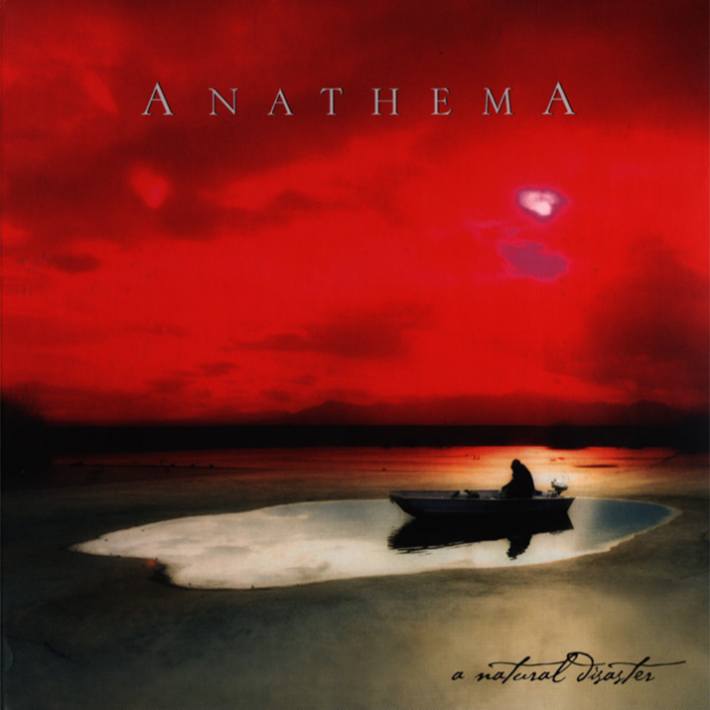
Moving up to the top 3 of our list, first up is A Natural Disaster, an album conceived in turbulent times (with mastermind Danny Cavanagh even briefly quitting the band) and released in 2003, just before Anathema disappeared in a seven-year recording hiatus. Written nearly single-handedly by Danny, at times A Natural Disaster feels like a singer-songwriter album of sorts, with intimate tracks like “Are You There?” and “Electricity” built almost exclusively on piano arpeggios, clean guitars and Danny’s tentative but emotional vocals. Elsewhere, intriguing electronica and trip-hop influences surface on pieces like the title-track (impossible not to be reminded of Portishead) and “Closer”, where an obsessive electric piano motif and menacing vocoder lines give the track a dark futuristic vibe. Post-rock is another detectable influence, with several tracks exploiting the crescendo of simple repeated patterns to deliver their emotional payload. However, the album’s heterogeneous influences are also its main limitation, as at times A Natural Disaster feels slightly disjointed as the various influences mostly surface in isolation across different groups of songs, rather than smoothly amalgamated throughout. Nevertheless, A Natural Disaster literally brims with fantastic tracks, among the best Anathema have ever written, from the title-track, to “Closer”, to “Balance” and “Flying” (both beautifully suspended between acoustic and electric instrumentation), and is one of the best albums released by the band in their career.
#2 – JUDGEMENT (1999)
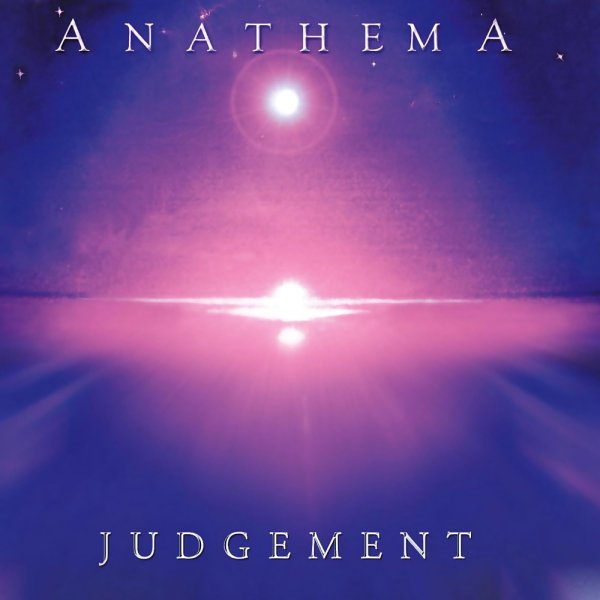
Anathema had been honing their dark, atmospheric metal/rock sound since their doom-death beginnings, but it is only on 1999’s Judgement that they found the right formula for a (near) perfect album. Emotionally-charged, extremely musical, with a strong identity, and very consistent in quality, Judgement is one my favorite albums of all times, and not just within Anathema’s discography. At its core, Judgement is an acoustic album: the metallic riffs are replaced with gentle acoustic guitar strums and arpeggios that, in most songs, constitute the whole backbone of the music, giving the album a lush, smooth feel. Guitar distortion is used sparingly and mostly for dynamic effect in the songs’ crescendos. The Pink Floyd influences, which on previous releases were layered not-so-subtly on a metal backdrop, here have matured into a more cohesive sound that the band has made their own. The album tracklist is nearly flawless. Each song has its own identity, from heart-rending ballads to dark, angrier affairs. The quality of the songwriting is consistently high, making each song a little masterpiece, with melodies that are strong and memorable without being cheap. But the true beauty of this album lies in the way these individually-magnificent tracks form an even more magnificent whole. The album has a great pace: the seamless alternation between softer and heavier pieces provides enough variation to keep the listener entertained. The cohesive sound and the serene but dark atmosphere tie the songs together in an emotional arc that draws the listener in and keeps her locked in throughout its 57 minutes. The end-result is a very emotional album, dark but hopeful and serene at the same time, transmitting very different vibes compared to the dispassionate, bitter sensations of Alternative 4. Because of this, some consider Alternative 4 the last “metal” album that Anathema have released. They may be right: Judgement veers decidedly towards more alternative rock territories, with some hints of dark/gothic rock. However, at the end of the day, what matters is not whether this is a metal album or not, but the quality of the music: and on that front Judgement is a near perfect album and certainly one of the highlights in Anathema’s discography.
#1 – A FINE DAY TO EXIT (2001)
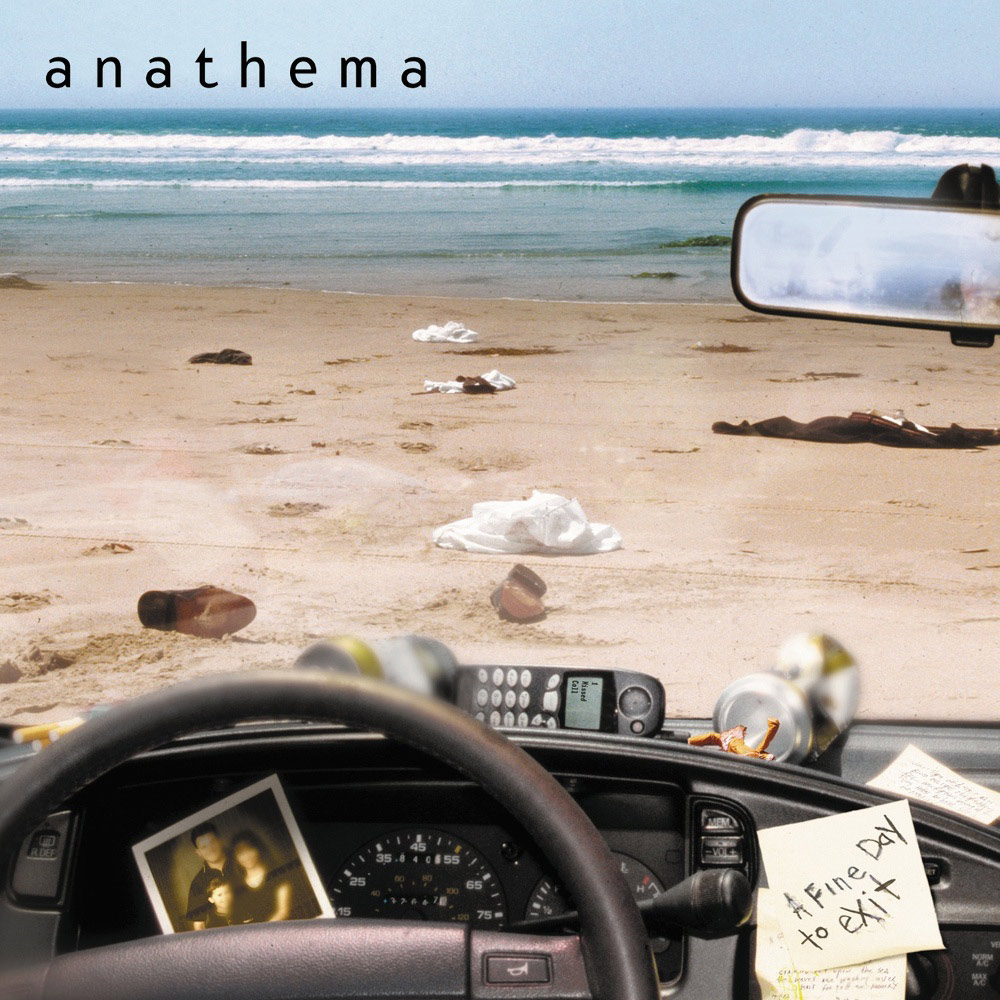
And then came perfection. A Fine Day to Exit is one of those rare records where everything just falls into place: the concept, the songs, the production, and the overall ebb and flow of the album, which makes it impossible not to listen to the whole thing in one mesmerizing sitting, over and over again. The album is a fantastic emotional roller-coaster, moving from tense, sinister pieces like “Pressure” and “Panic”, to downright depressive songs like “Leave No Trace” and “Underworld”, to more peaceful moments (“Barriers”; “A Fine Day to Exit”; “Temporary Peace”). This variation of moods and atmospheres traces a beautiful arc of emotions that perfectly captures the album’s concept of struggle, heartbreak and eventual healing and release. Most importantly, the sequencing of songs, and the way each piece naturally flows into the next, provide a strong sense of progression that continuously propels the album forward, like in a novel or in a movie, making A Fine Day to Exit a compelling album to listen through from start to finish. The individual songs themselves are beautiful pieces of music. Anathema had been experimenting with dynamics and post-rock crescendos since their very early albums, and on A Fine Day to Exit they finally show that they have mastered these techniques. The songs move seamlessly between quiet parts, with acoustic guitars or piano, and louder sections with guitar distortion, drums and shouted vocals – reproducing within each track the contrasting flurry of emotions that characterizes the album. Every song is a highlight of its own, but the initial duo “Pressure”/“Release”, “Leave No Trace”, and the closing pair “A Fine Day to Exit”/ “Temporary Peace” are absolutely standout moments of the album. A Fine Day to Exit unfortunately did not get the success it deserved, mainly because it was released at a time where the band had already lost many of their early-day metal fans (who probably said farewell to Anathema around the time Alternative 4 came out) and still had not gained traction in progressive rock circles (where the band will obtain accolades in the following decade, with the release of WAHBWAH and Weather Systems). With hindsight, however, A Fine Day to Exit is where Anathema truly matured into an entity that transcended the boundaries of heavy metal to become a significant force in contemporary rock music. I highly recommend this album to fans of any genre. This is a masterpiece.
